In this article
Packaging connects several moments in a product journey: recognising an item, comparing it, receiving it, opening it and finding information during use. These moments do not carry equal weight for every business. A gift presentation and a frequently reordered replacement component call for different priorities. Starting with an attractive box can conceal those differences. A more useful starting point is to describe the journey and identify what the packaging must help a person understand or do at each stage.
Quick answer
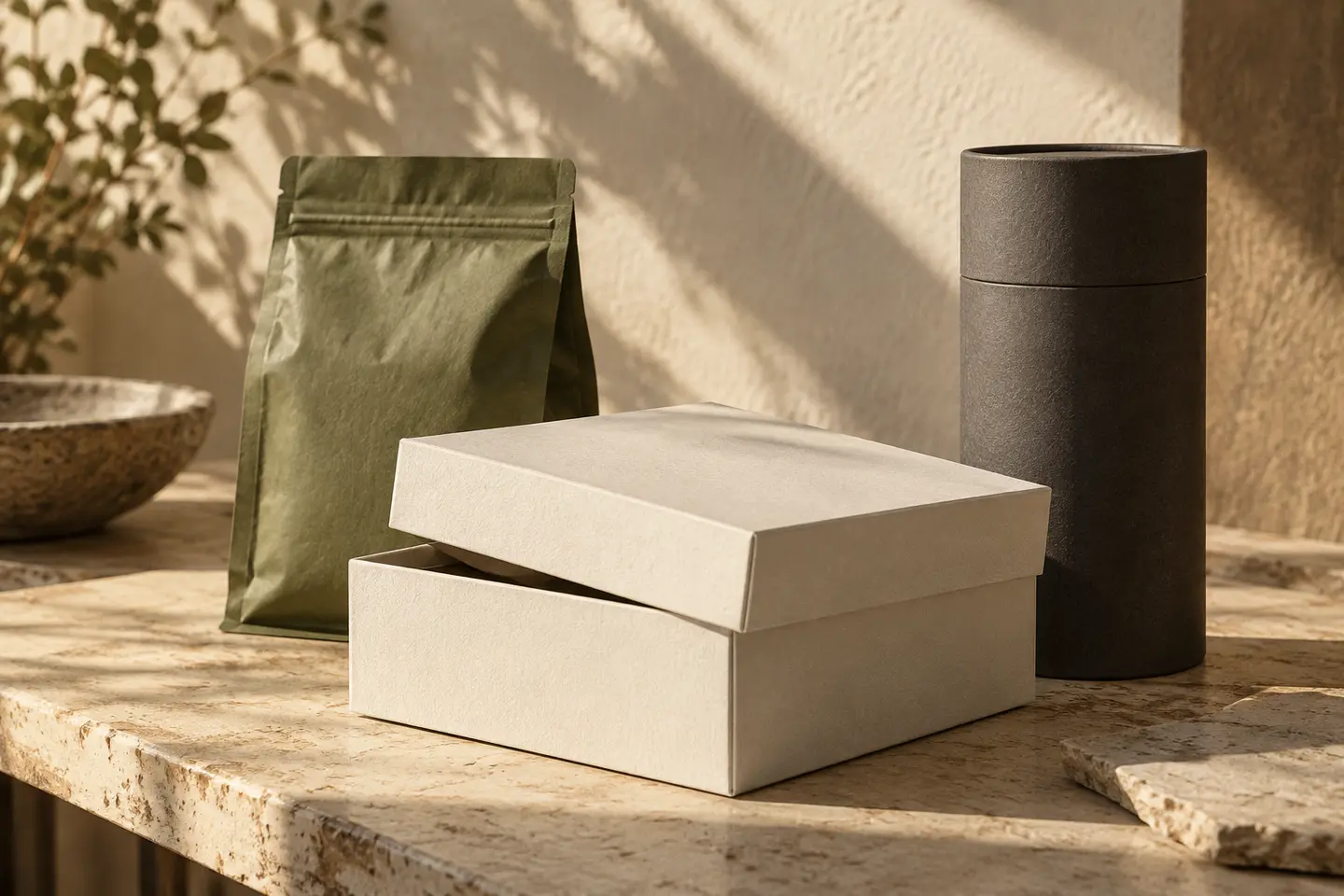
Packaging can be considered the physical and visual arrangement that accompanies a product through presentation, handling and use. Define the product, sales setting, information hierarchy and opening experience together. Assign responsibility for structural and visual decisions separately, then review how they work together using the real product and a representative physical sample.
Help people recognise the product first
When every element on the front panel demands equal attention, the layout offers no clear starting point. Establish an order between the brand, product name, variant and essential explanation. Review that order in the setting where people encounter the item. A small online product image raises different questions from a group of packs on a shelf. Ask colleagues to look briefly and describe what they understood. Treat this as a practical way of finding ambiguity, not as proof of future sales or a substitute for wider research.
Name the owner of decisions involving the product
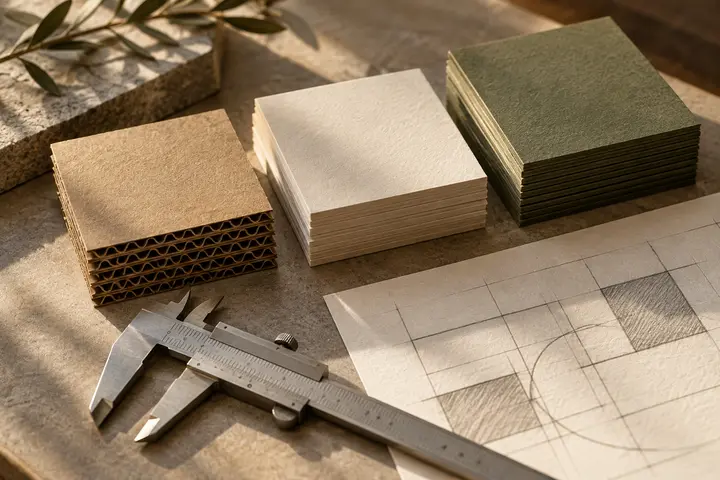
Dimensions, materials and closures should not be selected through visual preference alone. Bring input from people who understand the product and from the proposed packaging manufacturer into the brief. A designer can develop a coherent information system within those constraints. Do not infer material suitability or transport performance from a presentation rendering. Agree which checks are needed, who conducts them and which sample is being assessed. This prevents an appealing image from being mistaken for evidence that unresolved physical requirements have been satisfied.
Connect the opening sequence to the information sequence
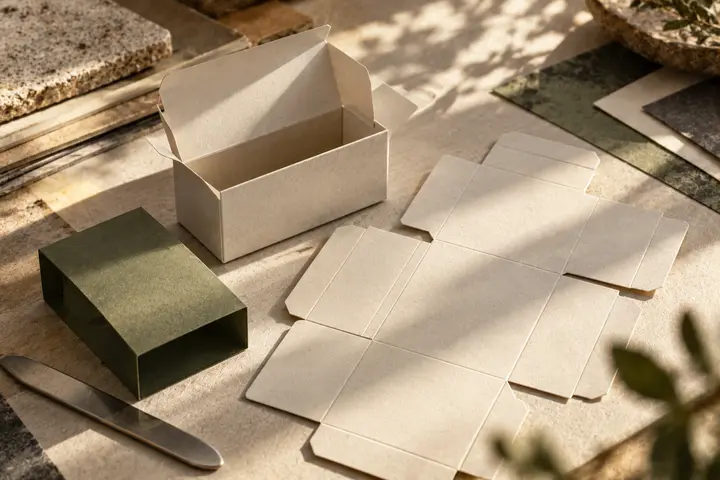
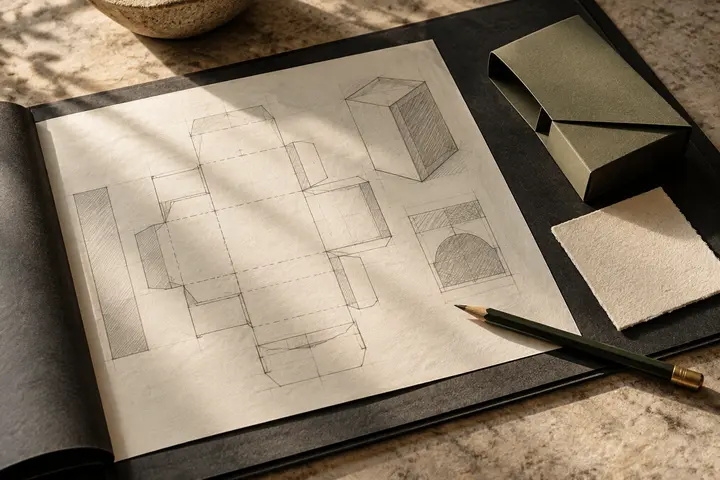
Consider a hypothetical ceramic mug set. A customer encounters the outer box, removes protective pieces and then reaches the product. Decide when care information should become visible. Everything need not appear on the outside, but useful instructions should remain findable when needed. Explore the sequence with a simple paper model and record moments when the next action feels unclear. An insert or internal print treatment should follow a defined purpose. Adding another decorative component without considering its role may complicate the experience rather than improve it.
Separate shared structure from variant information
A product family needs both consistency and differentiation. The brand position and underlying layout may remain stable while variant names or imagery change. Consider clear names and appropriate visual cues alongside colour rather than relying on colour alone. Test the shortest and longest product names within the proposed structure. Also consider how a future addition would fit. A layout that only accommodates the first attractive example can become difficult to maintain when the range expands, especially if information length and pack dimensions vary.
Make three separate acceptance decisions
At the final review, ask whether the product is clearly represented, whether the information is accurate and whether the physical sample supports its intended use. Different people may own these decisions. Keep design approval distinct from authorisation to manufacture. Archive presentation images, production artwork and sample records with clear labels so they are not confused later. A packaging brief developed with BOCW can make these decisions explicit; manufacturing conditions and product-specific checks should be agreed separately with the relevant supplier and responsible company team.
Key takeaways
- Describe recognition, opening and use before choosing the appearance.
- Identify which elements are fixed and which vary across the range.
- Record visual, information and physical-sample approvals separately.
Frequently asked questions
Does packaging mean only the outer box?
No. Depending on the product, labels, wraps, containers, internal arrangements and information cards may belong to the project. List the included components before design begins.
How should an initial concept be reviewed?
Use real product information and a defined customer situation. Look at recognition and information access as well as appearance, then identify which questions still need a physical sample.
Can one layout serve every product?
A shared structure can support a family, but different dimensions, information volumes and uses may require adaptations. Test difficult examples before approving the system for the entire range.