In this article
Commissioning packaging design starts with more than collecting attractive boxes. A brand needs to establish who supplies information, who makes decisions and what the designer is actually being asked to deliver. Unanswered questions can turn a promising project into a sequence of changing layouts. A clear commissioning process brings marketing, product and purchasing colleagues around the same brief and gives each review a specific purpose, from the first concept to the final handover.
Quick answer
To commission packaging design, prepare a product brief, a variant list, approved copy, existing brand assets and the manufacturer's technical template. Define concepts, adaptations, revision rounds and deliverables in the agreement. Assign separate responsibility for visual approval, content accuracy and production checks. Complete the handover with a versioned file list, and distinguish approval of the design from authorization to manufacture it.
Make the brief a decision document
Describe who buys the product, where they encounter it and what they need to understand first. Include sales channels, the product family and the intended positioning. Explain why each visual reference is useful: its information order, photography or opening experience may matter more than its overall style. Surface conflicting expectations early. A deliberately sparse front panel and an extensive list of prominent claims may require a priority decision. The designer needs an agreed direction rather than several incompatible preferences.
Map variants and assign ownership of copy
Create a product matrix with a row for each size, flavour, format or language. Mark which elements stay consistent and which change. Assign someone to supply and verify product names, descriptions and other required information. A designer can organise wording but cannot assume the product's actual characteristics on the company's behalf. If translation is involved, identify the approved source version. Treat content delivery as a project milestone: a late paragraph can affect several panels and every adaptation built from the original layout.
Approve the direction before examining every detail
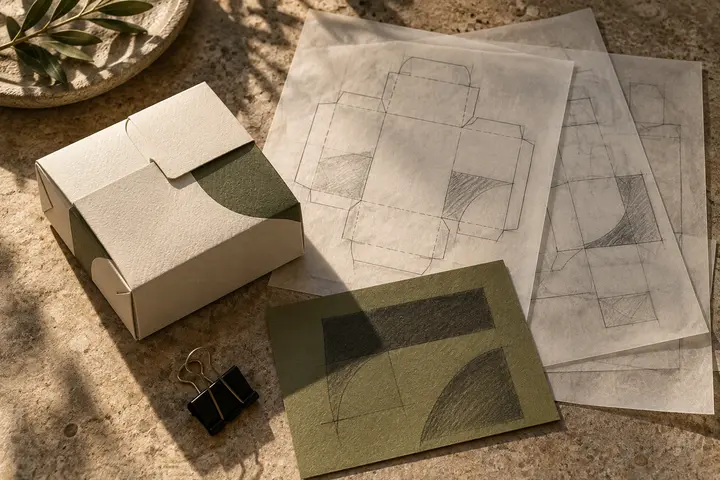
Use the first presentation to assess the visual approach and information hierarchy. Explain which objective the preferred direction meets instead of repeatedly combining isolated features from unrelated concepts. Then examine its application across the range. In a hypothetical three-variety tea project, the team might first approve the shared brand structure and subsequently assess whether the variety names and colours provide clear distinctions. This keeps a strategic concept decision separate from a correction to one product description and makes the next revision easier to evaluate.
Consolidate feedback through a named decision maker
Several colleagues may contribute, but the designer should receive an agreed response. Identify the panel, the element and the reason behind each request. Saying the product name needs to be noticed first gives a clearer objective than asking for more impact. Record requests that reopen an approved stage separately. Define what a revision round includes and how adding another product affects scope before work starts. A documented change can then be discussed in terms of deliverables and timing rather than conflicting recollections.
Close the project with a documented handover
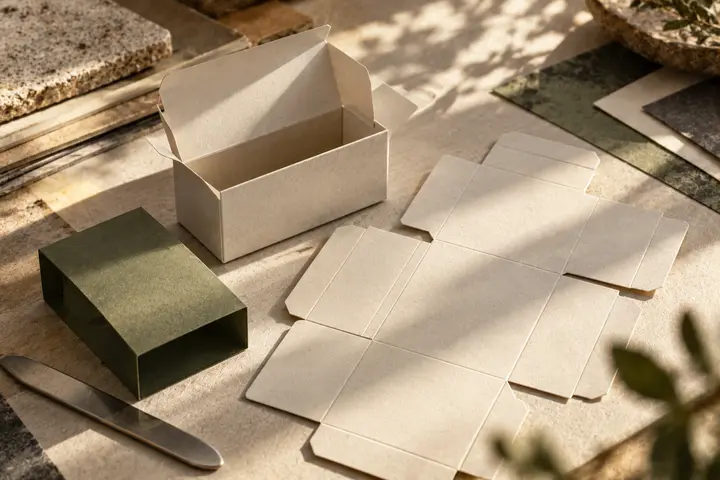
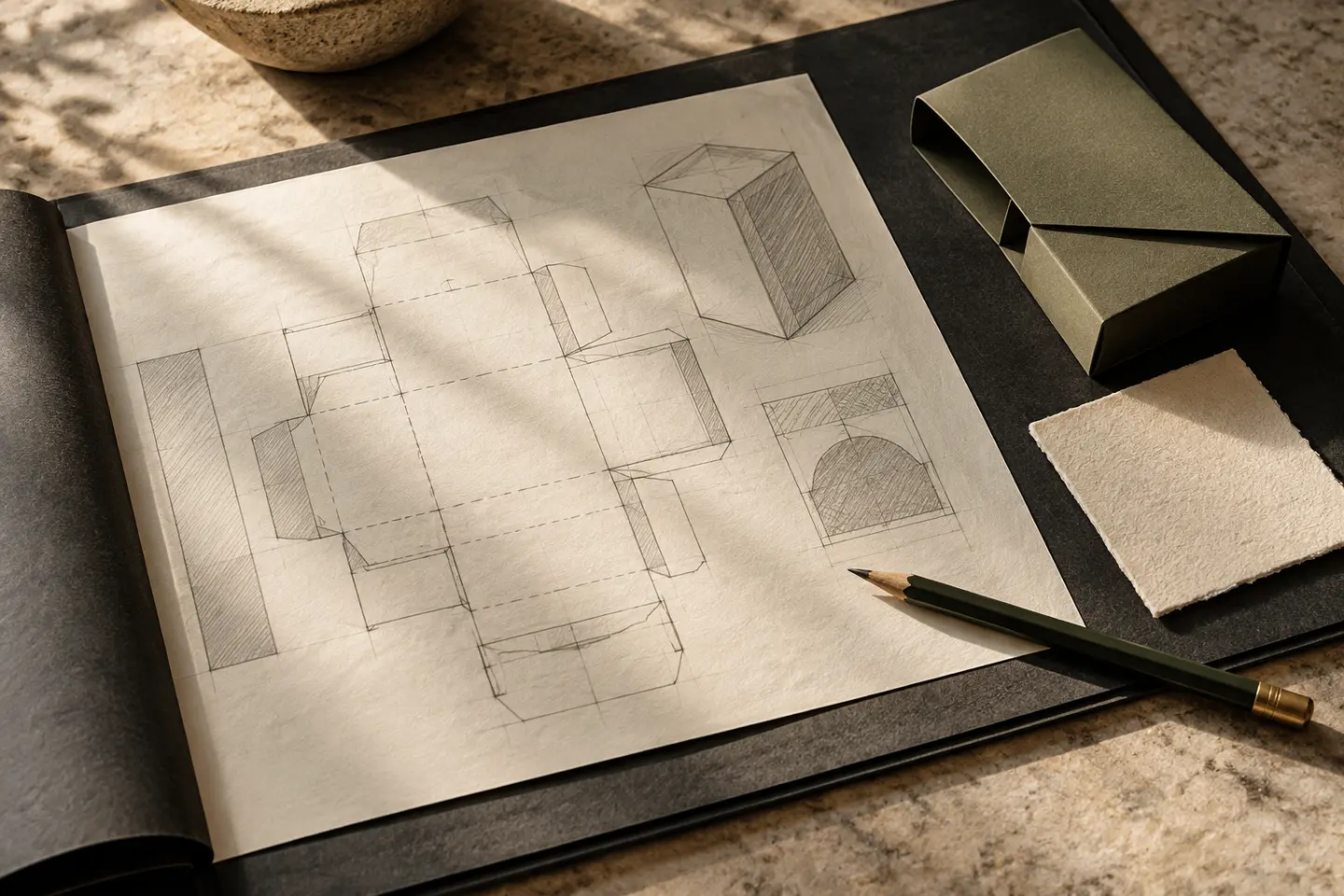
Request the manufacturer's current template and file requirements before preparing final artwork. The handover should identify product codes, language versions, approval dates and intended file uses. Clearly label presentation images and files prepared for production. Agree on editable source files and usage rights in the contract. BOCW is a design studio; physical manufacturing terms belong in a separate agreement with the producer. If proof or sample review is required, specify who participates, what they check and who ultimately authorises the production run.
Key takeaways
- Include decision makers and content deadlines alongside visual expectations in the brief.
- Use a variant matrix to distinguish shared structure from product-specific information.
- Finish with a versioned delivery list and explicit responsibility for production approval.
Frequently asked questions
Can design start before I select a manufacturer?
Brand direction and initial concepts can be explored first. Final production artwork needs confirmed dimensions, templates and supplier requirements. Mark unresolved assumptions clearly so everyone understands which decisions could change later.
Who should send feedback to the designer?
Relevant teams can contribute, but one authorised person should consolidate their comments. The person checking product facts may be different from the person approving the visual direction; both responsibilities should be named.
Is a PDF enough for the final delivery?
That depends on the agreed use and the manufacturer's requirements. Specify formats, editable source files, linked assets and responsibility for future adaptations in the quotation rather than assuming they are included.