In this article
An İzmir product brand may first be encountered on a shelf, in a distributor presentation or on a sample label. Start the identity brief with the point where the buyer compares the product. For a food brand, the front of the package may carry the most important information. For a B2B manufacturer in Kemalpaşa, a technical catalogue or a sample card may shape the first conversation.
Quick answer
Corporate identity design for product and export brands in İzmir connects packaging, catalogues and distributor documents through shared visual rules. Test the smallest label, the longest bilingual description and the sales document that changes most often. Those three examples reveal how the system handles print, translation and routine updates.
Give the product family a repeatable layout
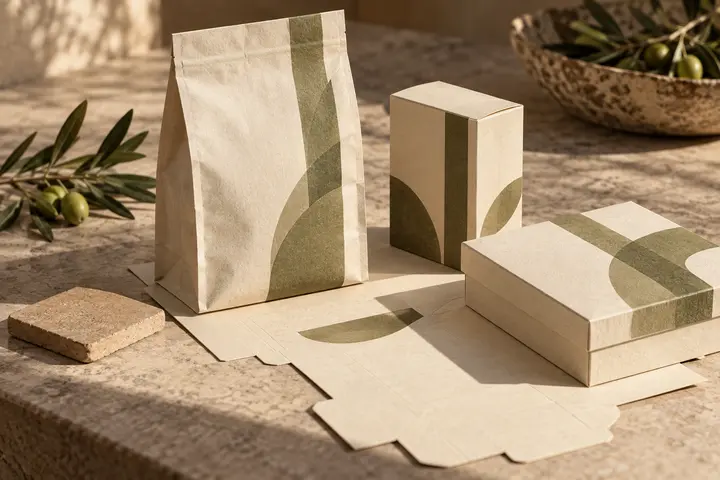
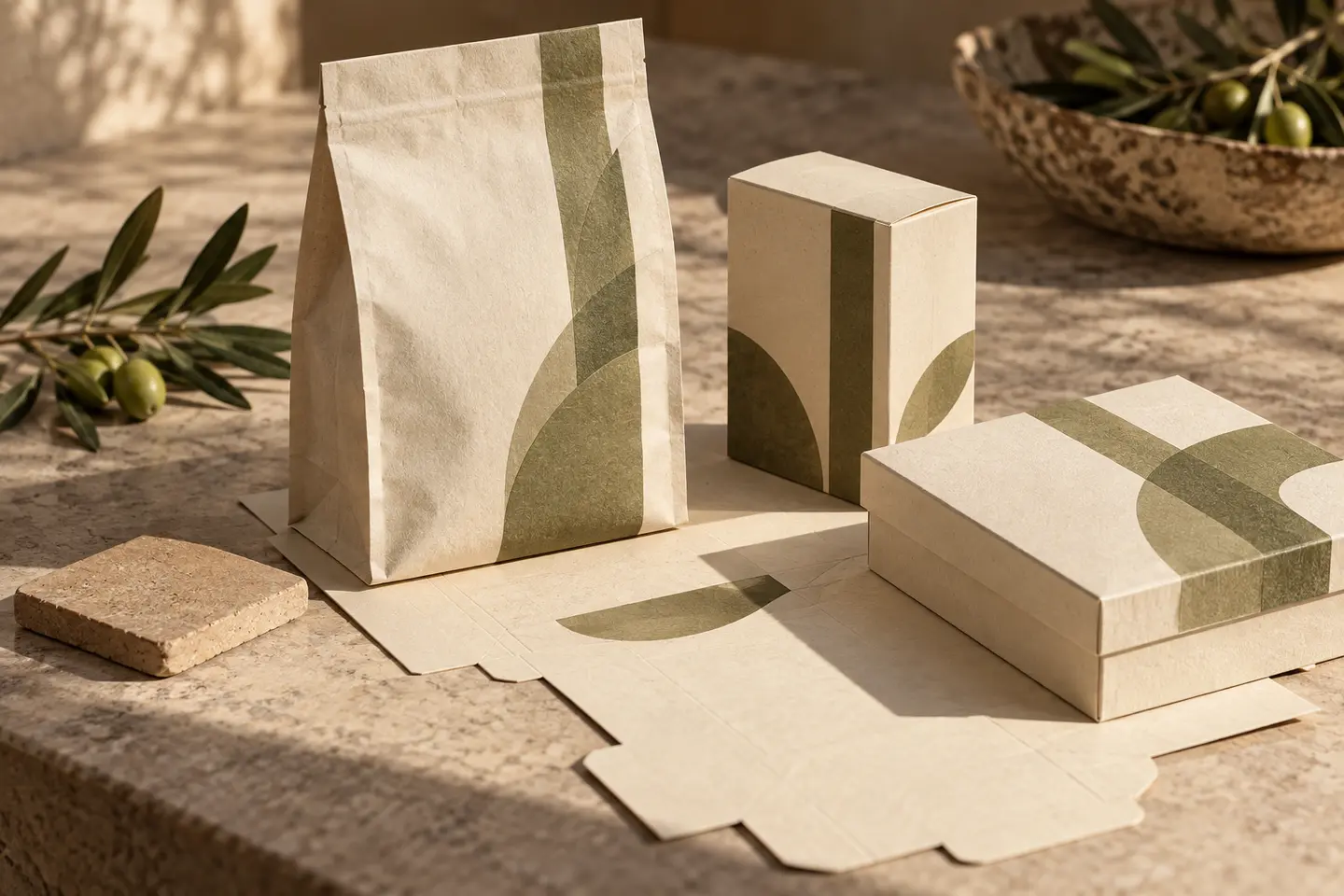
Set separate levels for the brand name, product variant and technical details. An olive oil range might keep the brand mark and product name in consistent positions while indicating volume and variety through text and colour. Add a real item to the layout and review it alongside neighbouring products in a shelf simulation. Check that the product can be identified when colour is difficult to distinguish.
Plan Turkish and English catalogue templates
Use actual descriptions in both languages to test the catalogue. Reserve an area for distributors to add their own contact details and protect the brand elements they share. Specify separate delivery formats for a label that is ready to go to press and a sales document your team can update. Review the first published example against both versions of the product data.
Follow the same item from label to shipment
Try the mark on a small sample label, a one-colour shipping carton and a PDF viewed on a phone. The sales name, product code and reference number serve different purposes. Give each the appropriate space, then ask the sales team to follow one sample order across the three formats. Verify that the same item can be identified at each step.
Set the scope for distributors and trade shows
List signage, product cards and presentation templates as separate deliverables. Document the colour and spacing rules a distributor must preserve when it adds local contact information. When production is part of the proposal, agree on proofing and supplier file formats. Update a product card with real distributor details before approving the template.
Prepare examples for a design proposal
Share two current products, a planned launch and the first document you send to a buyer. For each, note its language, dimensions and the person responsible for updates. This gives designers enough context to identify what should be delivered first and what formats will be needed when the product range grows.
Key takeaways
- Test the smallest label before approving the system.
- Use actual bilingual product data in the catalogue template.
- List design, print and distributor adaptations separately.
Frequently asked questions
Does an export brand need a new logo?
An existing mark can stay if it remains readable on labels and in digital catalogues. Test it first and add small-format or one-colour versions as needed.
Does the identity proposal include packaging?
Specify the number of variants, packaging sizes and production-ready files in the proposal. Ask which items the design team will adapt.
Should export catalogues or packaging come first?
Follow the upcoming milestone. Prioritise the sample or catalogue if it leads the first buyer meeting. Start with packaging if a retail launch depends on print production.