In this article
Ordering custom packaging involves more than approving an attractive box rendering. A brand must decide how the product sits inside, who packs it, how deliveries are checked and which files will be used for repeat orders. For a first purchase, the most useful starting point is separating creative work from physical manufacturing. This guide follows a hypothetical ceramic mug brand preparing its first gift box. The aim is to establish a shared reference between the proposal everyone approves and the packaging that eventually arrives at the business.
Quick answer
Begin with product information and a clear use scenario, then define design and manufacturing responsibilities separately. Agree dimensions and materials with the producer, evaluate a physical sample and document approval before confirming production. Check deliveries against the agreed reference. BOCW provides packaging design as a design studio; it helps plan the design handover to the chosen production supplier.
Put the actual product into the brief
Imagine the mug collection contains two different handle shapes and a gift card. Sending only the height of a mug leaves important questions unanswered. Include photographs, dimensions, a contents list and the intended sales channels. Ask practical questions about the packing area and whether empty boxes will be stored flat or assembled. Designers should not have to guess these operating conditions. Record unanswered questions as decisions to resolve, and nominate someone at the brand who can supply reliable product information before the layout is finalized.
Read creative and manufacturing quotations together
The design proposal should describe the visual direction, surfaces, variants and final files. The manufacturing proposal should specify the physical order, including material, quantity, samples and delivery arrangements. Check that both refer to the same box version. A standard box cannot be compared fairly with a proposal including a custom insert. In the mug example, listing the insert, gift card and outer box separately makes changes easier to discuss. Add the responsible party beside each item so that no necessary task falls between suppliers.
Evaluate producers beyond the unit price
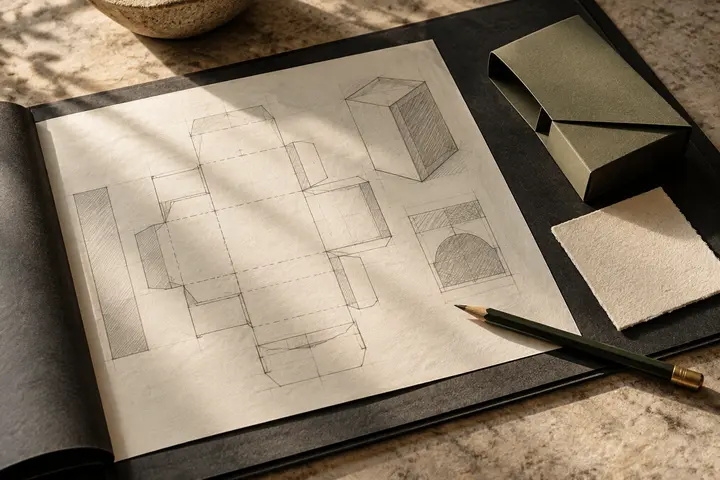
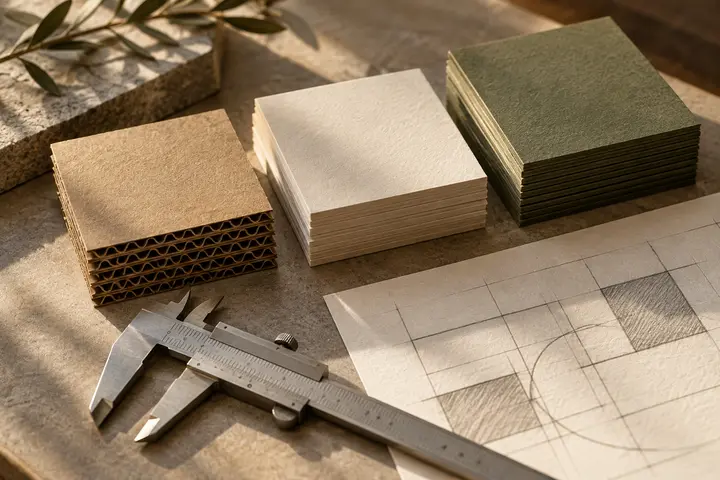
Ask to see a relevant physical example, understand the sampling process and clarify what the producer expects from artwork files. Review the proposed construction with the designer before treating a production template as final. Ask which quotation items change if the order quantity changes. A polished presentation does not demonstrate how easily staff can pack the product. Compare the clarity of the proposal, the sample and the way changes are handled alongside price. This gives the buying team a more practical basis for selection.
Fill, open and close the prototype
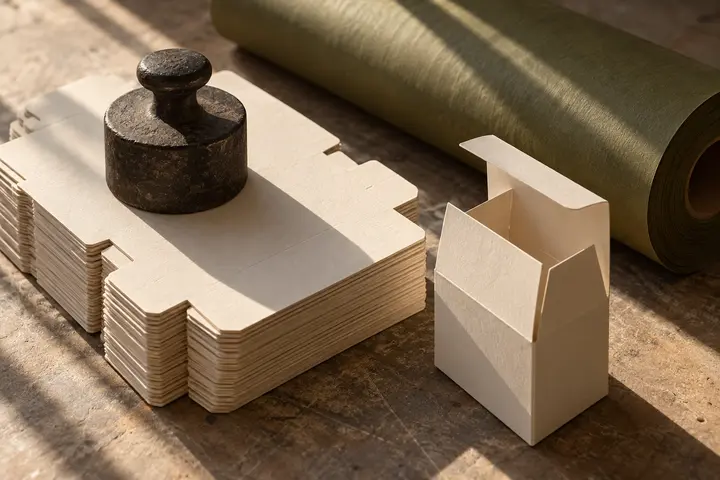
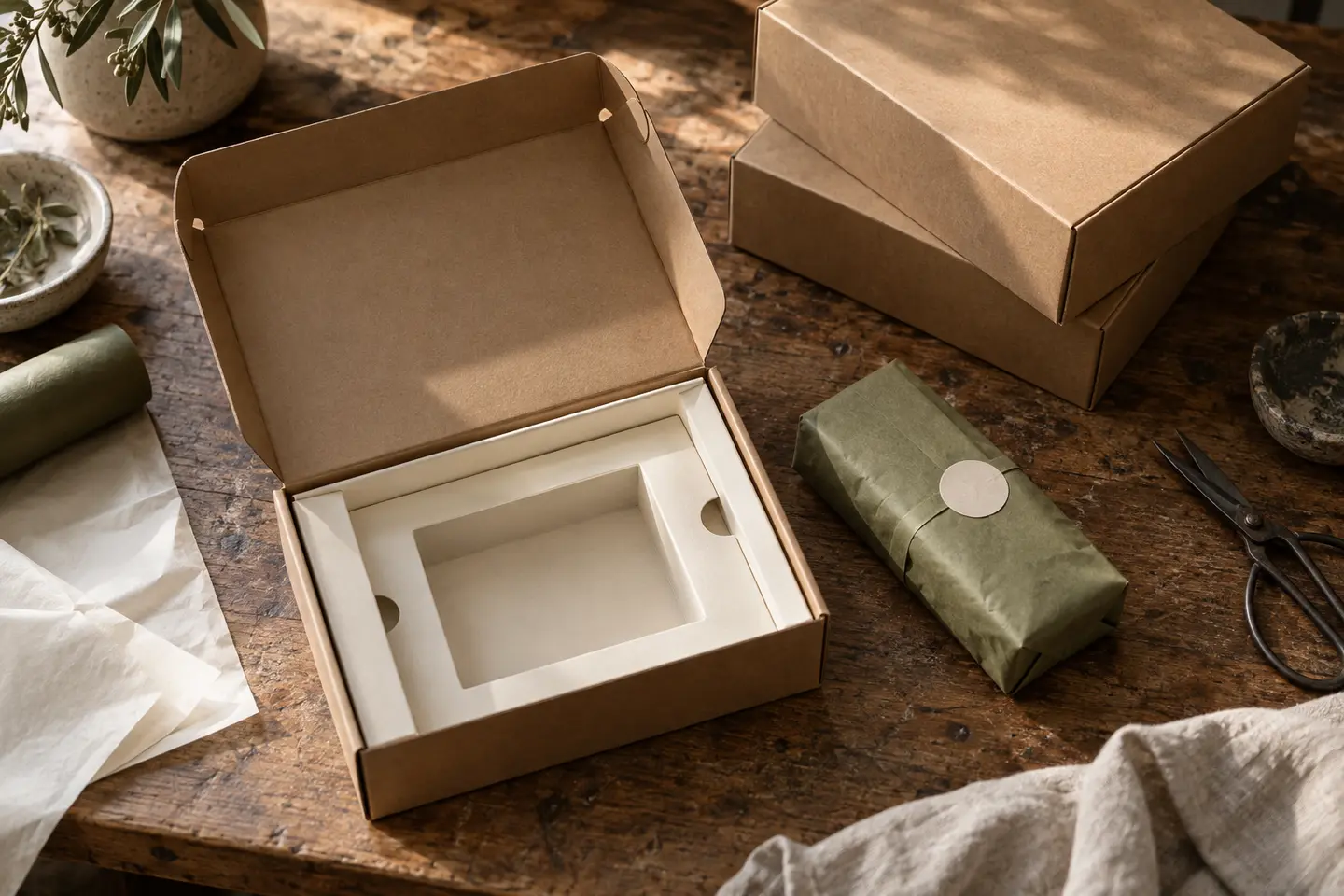
Place the actual mug, card and any planned extras inside the sample. Let the person who will pack orders try it without a running explanation. Note difficult steps, reversed components and an unclear opening sequence. This exercise evaluates use; it does not establish transport performance. Discuss appropriate shipping evaluation separately with the manufacturer. Record the differences between a visual rendering, an unprinted mockup and a production sample. Each can support a different decision, so approval should identify exactly which characteristics have been reviewed.
Connect approval to a named version
Identify the production version through a filename, date and product code. Separate artwork approval from approval of the physical example, and record where text, layout and appearance expectations are documented. Do not assume an informal later message updates every part of an order. At delivery, use an agreed checklist covering quantities, product matching, opening function and visible differences. Photograph issues and connect them to the relevant order item. Keep these records together for reorders, particularly when a material or product has changed since the original purchase.
Key takeaways
- Create one brief containing the actual product, contents and sales channels.
- Document artwork approval separately from physical sample approval.
- Agree delivery checks while the order scope is still being discussed.
Frequently asked questions
Does a design studio manufacture the packaging too?
Service scopes vary. For BOCW, the starting point is design services; physical manufacturing and supply responsibilities need separate clarification. Do not assume printing or shipping is included unless it is expressly listed in the proposal.
Should I order without seeing a sample?
For a new or changed pack, a physical example helps evaluate fit and handling. Ask which characteristics the example represents. An unprinted mockup can support construction decisions without demonstrating the final printed appearance.
What should I keep for repeat orders?
Keep the approved artwork version, production template, variant list, physical sample reference and order scope together. If materials or contents change, review the affected decisions instead of automatically reusing the previous approval.