In this article
Packaging design in Sakarya may involve connecting a small product range with a gift presentation. Imagine a hypothetical producer with three jar products and a box that brings them together. Each jar should make sense on its own, while the collection should feel like a coherent offer. The task is therefore broader than drawing an attractive label. Product names, variant distinctions, actual container dimensions and the experience of receiving the set all need to work within the same design system.
Quick answer
For jars and gift sets, establish the individual label before reviewing how the products appear together inside the box. Use confirmed container dimensions and approved copy. Keep the family recognisable while naming variants clearly, and treat seasonal messages as changeable applications. A project discussion with BOCW’s Sakarya office can define the scope of design, adaptation and any physical sample review.
Move from a flat layout to the actual container
A product name that looks comfortable on a flat label can read differently around a curved jar. Use the producer’s confirmed dimensions and application information to prepare a realistic sample. Examine the initial viewing area, the relationship between lid and label, and access to side information. Do not treat a presentation made before container selection as final production artwork. Ask the producer to assess label materials and application conditions; a visual preference and a suitability decision are different parts of the process.
Make variant names work without relying on lid colour
Give each product a clear name within consistent information areas. Colour and illustration can reinforce the distinction but should not carry the whole task. Review labels together at actual size rather than only enlarging them individually during a presentation. Compare the shortest and longest names in the hypothetical collection. If the longer name becomes cramped, the system may have been designed around only the first jar. Adjusting the shared structure can be more useful than forcing one product into an unsuitable template.
Let the gift box unite the contents
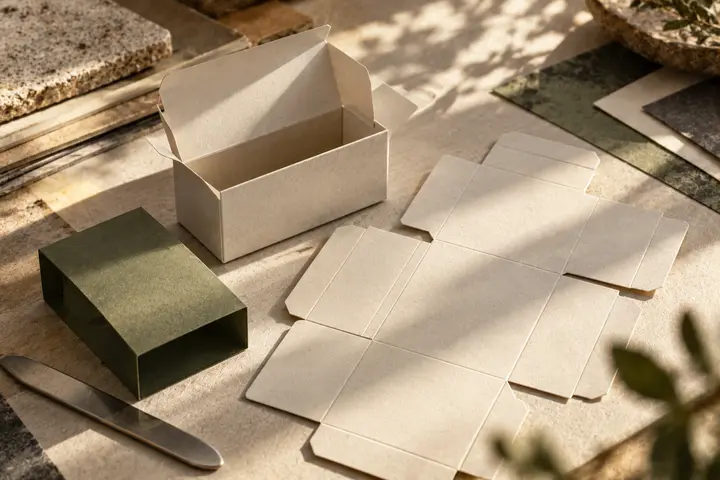
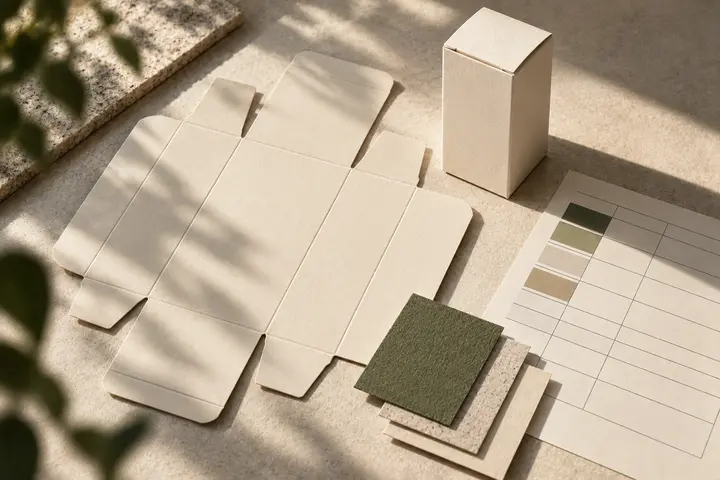
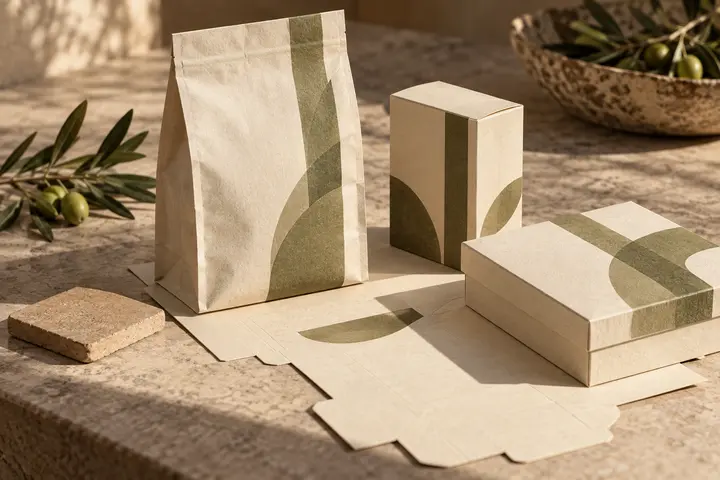
The outer box should explain what is inside and what kind of gift it represents. Use a physical sample to examine jar orientation and label visibility. Discuss internal supports or dividers with the manufacturer rather than assuming graphic design automatically includes structural development. If three decorated jars create a busy composition, a quieter outer panel may give the collection room to breathe. The visual unity of the gift should support an accurate understanding of its contents, not replace that information with atmosphere alone.
Keep seasonal messages separate from lasting identity
A seasonal greeting or corporate thank-you need not require a complete redesign of every jar label. Explore a sleeve, card or additional label with the producer. Separate responsibility for permanent product information from responsibility for the temporary message. In a hypothetical corporate order, the business should supply approved customer marks and confirm permission to use them. Review whether the added message overwhelms the product brand. A clearly defined application also makes it easier to identify which file needs changing for the next occasion.
Review factual copy separately from visual choices
Obtain product descriptions, ingredient information and other statements requiring verification from the appointed content owner. The designer can organise information but should not invent product claims. Check whether the photographic representation matches the actual item being sold. Use separate feedback fields for accuracy, readability and visual preference. This helps prevent a previously approved sentence from changing unnoticed during a colour revision. Record which jars and gift combinations are affected by each amendment so that corrections travel through the whole relevant range.
Bring a focused sample pack to the conversation
When contacting BOCW, share the existing jar, label, gift-box dimensions and reason for the update. A discussion through the Sakarya office can establish the review arrangement and what any sample evaluation includes. List product quantities, gift combinations and seasonal requirements early. Separate individual-product files from collection files in the handover and identify versions intended for the manufacturer. Add a short note explaining which shared elements should remain consistent when a new variety is introduced, giving later work a practical point of reference.
Key takeaways
- Review labels on actual jars and gift sets in their intended arrangement.
- Make variant names understandable independently of colour.
- Manage seasonal gift messages separately from permanent product identity.
Frequently asked questions
Must jar labels change for a gift box?
Not always. If the existing labels look coherent together, the outer box and accompanying card may provide the necessary connection. Hidden product names or awkward orientations may still require an adjustment.
Who chooses the label material?
The designer may suggest a visual direction, while suitability for the actual container and use conditions should be assessed with the producer. Agree who makes the decision and what sample review includes.
How are several gift combinations quoted?
A quotation should reflect the actual scope. Different dimensions, combinations, languages and seasonal messages can require separate adaptations. Put them in one product list before requesting a proposal.