In this article
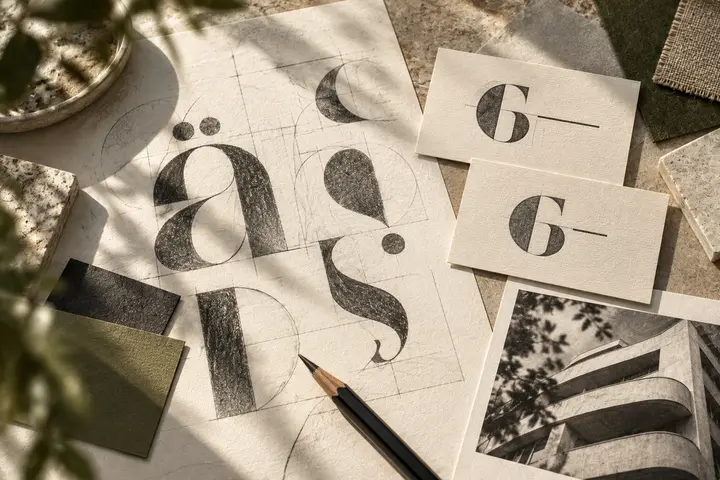
The category of modest fashion does not prescribe a single visual direction. The relationship between scarves, outerwear and collections, the brand's own character and its sales channels are more useful briefing information. Show small product labels and storefront screens alongside preferred patterns. If another script is genuinely planned, explain that at the outset. Ornate lettering selected before naming relationships and actual application space are understood can create avoidable difficulties later.
Quick answer
Commission a modest fashion logo through product groups and actual name versions. Compare scarf labels, outerwear tags and mobile storefront headers. Obtain client-approved spelling for any additional script. Approval should establish that decorative lettering does not conceal the name, with handover explaining the relationship between compact labels, complete signatures and multilingual arrangements.
Describe the brand rather than a category stereotype
Explain product-use contexts and collection relationships in the brief. No single colour or decorative style is compulsory for every brand in the category. A quiet, everyday or expressive approach should be demonstrated through actual products and shop examples. Establish whether scarves and outerwear share one name or use subheadings. Instead of asking the designer to incorporate every collection pattern into the logo, identify the characteristics the lasting name signature should retain across changing products.
A small scarf label needs its own proof
A scarf label may be much smaller than a swing tag. Request a production sample using the supplier's actual dimensions and method. Inspect readable lettering, edge space and the connection between compact and complete signatures. Show the label beside patterned fabric too. Approved versions can replace independent recolouring for every collection. Photographs of the product folded in different directions can reveal which identity area remains visible and help the team choose an appropriate application arrangement.
A hypothetical scarf and outerwear range
Imagine one name appearing on a tiny scarf label and a larger outerwear tag. A decorative frame may work on the large card but disappear on the small label. Compare the name without that frame first. Show both products on the same storefront page and discuss how their relationship becomes apparent. A scarf-range heading may be useful without suggesting another company. This exercise evaluates differences in product scale alongside the structure of the brand, rather than treating them as unrelated design tasks.
Design the relationship between scripts when required
Obtain client-approved name forms if another language or script will actually be used. The designer should not guess a translation. Specify whether versions appear together or in different channels. When character counts and visual density differ, consider a balanced relationship rather than forcing both into identical boxes. Test each version within a mobile header. Decorative effect and reading accuracy are separate questions; someone who uses the language should check the name while the design team examines its visual arrangement.
Separate pattern work from identity delivery
Logos, collection patterns and product photographs are different assets. List the main name, small-label version, tag arrangement and any multilingual combination separately. Designing scarf patterns or preparing every storefront image needs additional scope. Demonstrate which field changes when another collection name is introduced. Establish who approves adaptations made by the label producer. Compare quotations through completed applications at two product scales rather than symbol counts alone, and identify which examples remain demonstrations rather than supplied production files.
Key takeaways
- Express the brand's character without assuming category conventions.
- Review small scarf labels and outerwear tags together.
- Supply approved name forms for any additional script.
Frequently asked questions
Is a calligraphic logo necessary?
No. Assess lettering through brand character and small-use readability. If calligraphy is chosen, check how the name remains recognisable when decorative elements are removed.
Do scarves and outerwear need different logos?
First compare different scales of one shared identity. Range headings can distinguish product groups without creating unrelated brands.
Will the designer translate the brand name?
The client should supply the correct name form. The designer organises approved versions visually; translation and language checking should be identified separately when needed.