In this article
A logo designer translates business requirements into visual decisions. The role extends beyond drawing a symbol or selecting a typeface: it involves identifying important information, developing alternatives and making the selected direction usable. When choosing a designer, examining these decision skills alongside portfolio aesthetics is valuable. This article is for clients assessing individual design responsibility. It explains the questions that make the work understandable and the feedback relationship that supports collaboration, without presenting one visual style as the universal standard of quality.
Quick answer
Assess a logo designer through their understanding of the brief, explanation of alternatives, attention to forms and lettering, application tests and feedback management. Choose a portfolio example and ask about its decisions. Clarify who carries design responsibility for your project. A useful relationship requires clear questions and approval criteria alongside an understanding of the desired visual character.
Observe how useful questions shape the brief
A designer asking where the logo will appear and what you want to change is beginning to frame the problem. Notice whether questions develop in response to your information. For a hypothetical care product brand with small packaging print, label space and product variations should enter the conversation. A discussion focused only on favourite colours may miss the application requirements. Instead of expecting the designer to know everything beforehand, examine how they uncover missing information. Useful questions help create a brief that can lead to an appropriate solution.
Consider craft together with problem solving
Elegant lettering and compelling symbols demonstrate valuable skills when they serve the assignment. Select a portfolio mark and ask which problem it addresses. The designer can explain why a proportion changed or why the name and symbol have a particular relationship. Every detail need not carry an elaborate story. A clear connection between the visual choice and its function is enough. Review presentation quality and drawing craft in that context rather than assuming their attractiveness independently demonstrates suitability for your own business.
Look for attention to letters and spacing
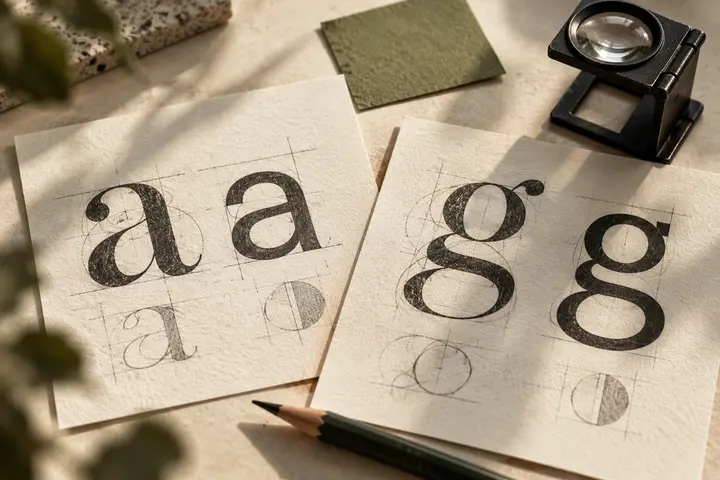
In name-led logos, the relationship between letters matters alongside their individual character. The same typeface can develop a different rhythm through spacing and proportion decisions. Ask about small-scale tests using the complete brand name. For Turkish names, assess the relevant special characters too. This is more concrete than accepting an unexplained claim of technical perfection. Clients do not need specialist knowledge of every detail; they need to understand the observed problem and how the proposed adjustment attempts to resolve it in actual use.
Ask how a style adapts to different requirements
A designer may have a recognisable aesthetic approach that suits the character you want. That can provide a productive fit. It should not imply that every business needs the same treatment. Discuss how projects with different objectives are distinguished. A hypothetical contemporary furniture brand and a repair business may both prefer simplicity while requiring different name arrangements and production applications. Assess variation through the decisions about character and use instead of counting colours. The reasoning shows whether the approach is adaptable enough for your particular assignment.
Distinguish openness to feedback from lack of direction
Listening to a client's comment does not require a designer to apply every change immediately. They may ask about its purpose and suggest another solution. For instance, they can support clearer name recognition while questioning an unnecessary increase in symbol size. Clients should explain the criteria behind their requests too. Describe comments through observed problems rather than personal judgements. A reasoned response brings the discussion back to a common issue. Establish the final approver early so unresolved differences have a clear decision route.
Clarify creative and implementation responsibilities
The designer may develop the mark while other specialists or suppliers prepare particular applications. Establish who produces and checks each file. Master artwork, approved versions and usage guidance should be understandable at delivery. BOCW founder Bilal Öz is a graphic designer specialising in brand image, logos and corporate identity. Published work and a discussion of your project's application questions can help assess a prospective collaboration. Knowing the responsible person is useful together with understanding the extent of that responsibility and the communication method.
Key takeaways
- Ask which problem a portfolio example was designed to address.
- Review name, spacing and small-scale choices through actual outputs.
- Identify responsibility for creative decisions, application files and client approval.
Frequently asked questions
Must the designer have worked in my sector?
Not necessarily. Their research method and approach to comparable application problems matter. Sector experience may provide useful context, but it does not replace understanding and testing your specific requirements.
Can I give the designer an existing sketch?
Yes. Explain the idea or requirement it represents. Opening it to assessment can be more useful than treating it as a fixed solution. The sketch's origin and any relevant usage conditions should also be understood.
How can I evaluate unfamiliar technical details?
Ask which application problem the detail addresses and request an actual-size example. An understandable explanation together with observable output supports a decision. A technical term or software name alone does not demonstrate quality.