In this article
A business seeking logo design for Germany may be introducing a new company, bringing a Turkish brand to another market or communicating in two languages. These purposes require different briefs. Consider a hypothetical trading brand preparing Turkish and German materials. Plan the shared name, variable descriptions, language checks and supplier handoff together. In a process organised remotely with BOCW, identified approval owners and clear file purposes help teams avoid assessing the same design through different, unstated expectations.
Quick answer
For a brand working with Germany, separate the shared brand name from descriptions that vary by language. Test actual Turkish and German wording, characters and compact settings. Assign language verification to a competent reviewer and production checks to the supplier. The handover should explain names and versions, while remaining distinct from legal clearance or market approval.
Separate the market objective from the design objective
Imagine the trading brand wants to present products to German distributors. Its design goal may be to communicate a consistent, credible product source; it does not settle company formation or sales conditions. Record the displayed name, intended reader and required language in the brief. List the designer's visual deliverables separately from commercial and specialist checks the business must organise. Working with Germany does not by itself require a national symbol, a particular colour or an assumed local visual style.
Use real Turkish and German wording
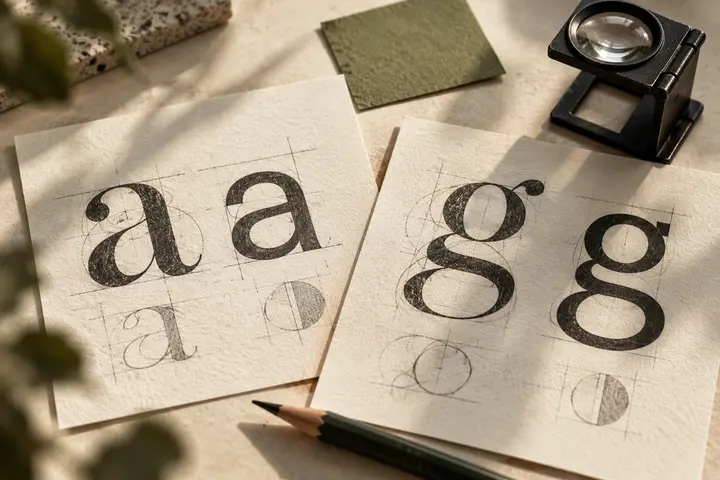
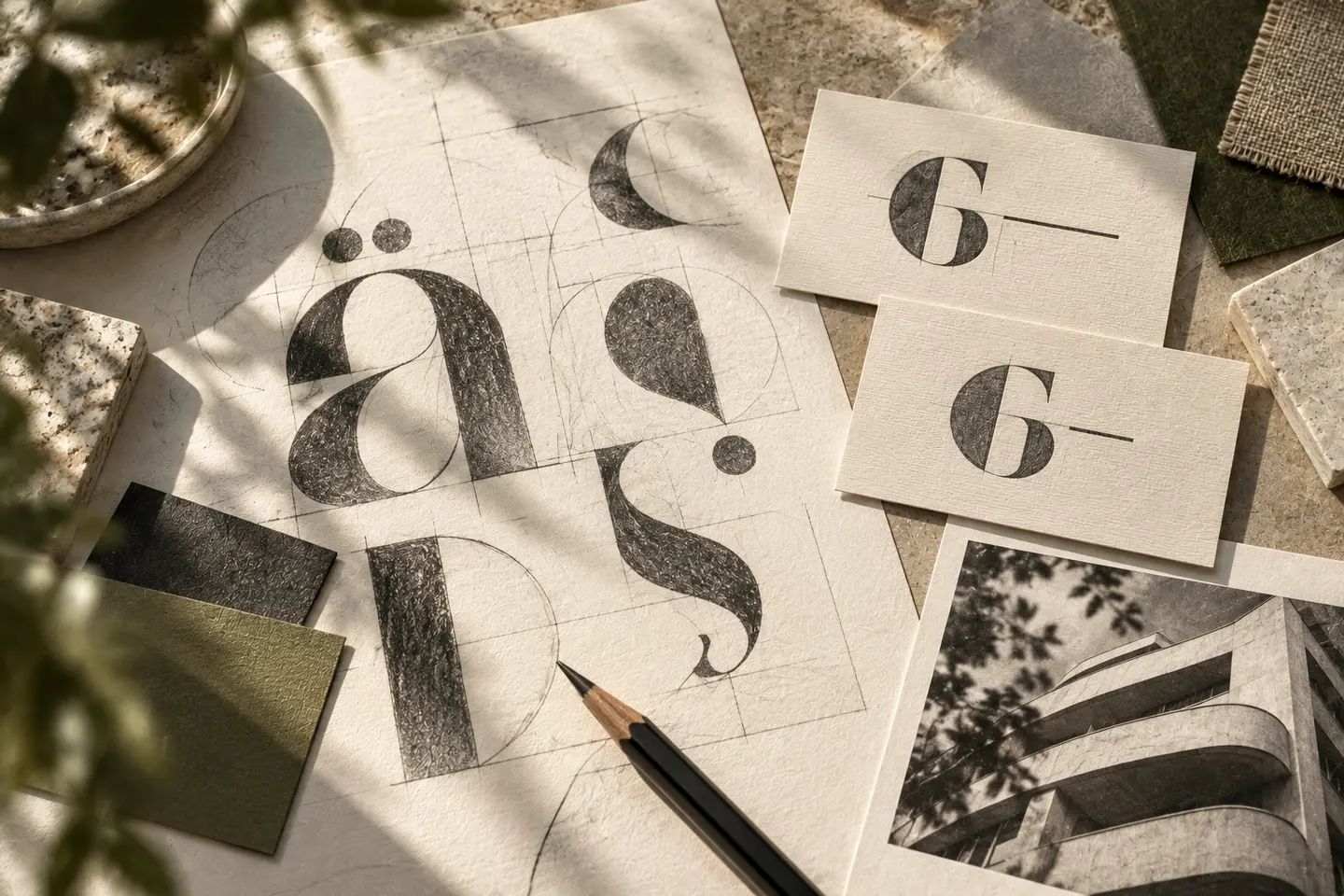
Review the brand name and sample headings in both languages when selecting lettering. Test relevant Turkish and German characters through actual words, rather than convenient examples that make the presentation easy. If the brand name stays fixed, establish the language of each descriptive line. The arrangement should accommodate different text lengths. Providing wording verified by the business instead of asking the designer to guess translations clarifies responsibility for later corrections and reduces the risk of approving incorrect text.
Do not confuse language and visual approval
A neatly aligned German heading is not necessarily correct German. Create two review records: one for spelling, meaning and naming, another for readability and identity arrangement. In the distributor document, a language reviewer checks the wording and a design reviewer checks the layout. If a correction changes line length, repeat the visual review. This makes responsibilities visible instead of assuming that liking a design also verifies language, commercial statements and every other requirement.
Give suppliers context with their files
A product box, distributor presentation and digital header can require different deliverables. Organise files by language and application, explaining which version belongs to which item. Obtain conditions from the producer or publisher at the relevant stage. The bilingual package may connect Turkish and German descriptions to one brand identifier, but test it with actual content. Keep design approval separate from sample acceptance so remote teams do not use the same approval message to mean different things.
Manage remote decisions through a shared record
When the business, language reviewer and supplier work in different places, identify the required feedback and approval owner in advance. Share versioned presentations and let one coordinator consolidate comments. Distinguish logo work, bilingual examples, guidelines and additional applications in the quotation. Discuss budget and scheduling through this defined scope. The business should separately arrange any necessary checks concerning name suitability, brand protection or country-specific requirements.
- Are the shared name and variable language areas approved?
- Does each language have an identified verification owner?
- Are design and production approvals separated through version information?
Key takeaways
- Match the communication purpose for Germany to a defined design scope.
- Approve language accuracy and visual arrangement through separate checks.
- Make bilingual delivery understandable to suppliers and teams joining later.
Frequently asked questions
Does BOCW have an office in Germany?
No. BOCW's offices are in Istanbul Levent and Sakarya. Briefing, presentations, revisions and asset delivery for businesses in or working with Germany can be planned remotely.
Should the brand name change for Germany?
Assess naming through the intended audience and business objective. A designer can test visual options, but a new name should not be assumed suitable without language review and any necessary specialist checks.
Does logo design include German translation?
Do not assume translation is included. State who prepares and approves it. Review visual files with correct wording, and specify additional language versions or applications separately in the quotation.