In this article
Identifying a typeface in an old poster or screenshot is a different task from choosing a new font. The question is which family or customised lettering could have produced the visible forms. Poor resolution, perspective and altered logo characters can make the answer uncertain. This guide covers sample preparation, candidate comparison and practical verification without promising an instant diagnosis. Treating a suggested match as a hypothesis keeps the process clearer than accepting the first similar preview as the original design file.
Quick answer
Ask for the source document first. If it is unavailable, prepare a clear, horizontal sample containing one text line. Treat results from a tool such as WhatTheFont as candidates, then compare several distinctive letters, numerals and weights. After finding a likely match, separately review language coverage and usage conditions. Visual similarity is not a licence to use the font or reproduce customised lettering.
Look for original information before making a guess
The editable document or handover notes may identify the family. Ask the original design team which file version was used. Finding that information can remove uncertainty before a recognition exercise begins. If the lettering was converted to outlines, its font name may no longer be available. Record what is known about the source and do not present a later estimate as an established historical fact about the original identity.
Prepare a sample that preserves the useful evidence
MyFonts recommends good-quality horizontal text. Isolate the relevant line from surrounding graphics and avoid combining different typefaces in one sample. Sharpening a blurred photograph does not reliably restore details absent from the source. Request a better original when possible. Redrawing the characters before submitting them may introduce your own assumptions, so retain the untouched image and distinguish basic preparation from changes that alter the letterforms being investigated.
Compare a group of distinctive characters
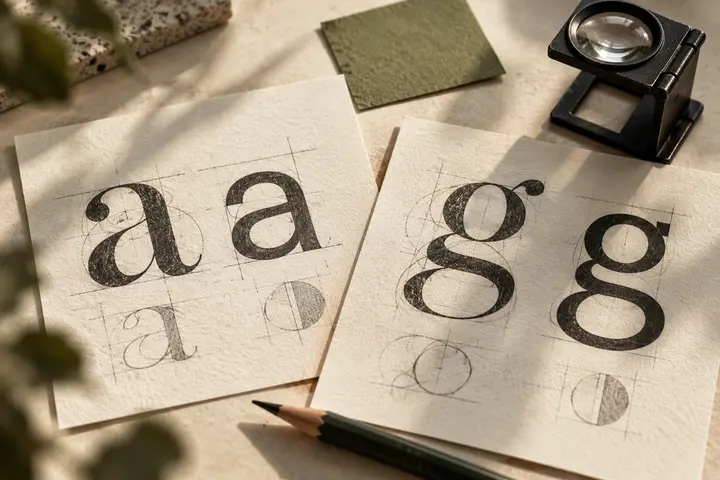
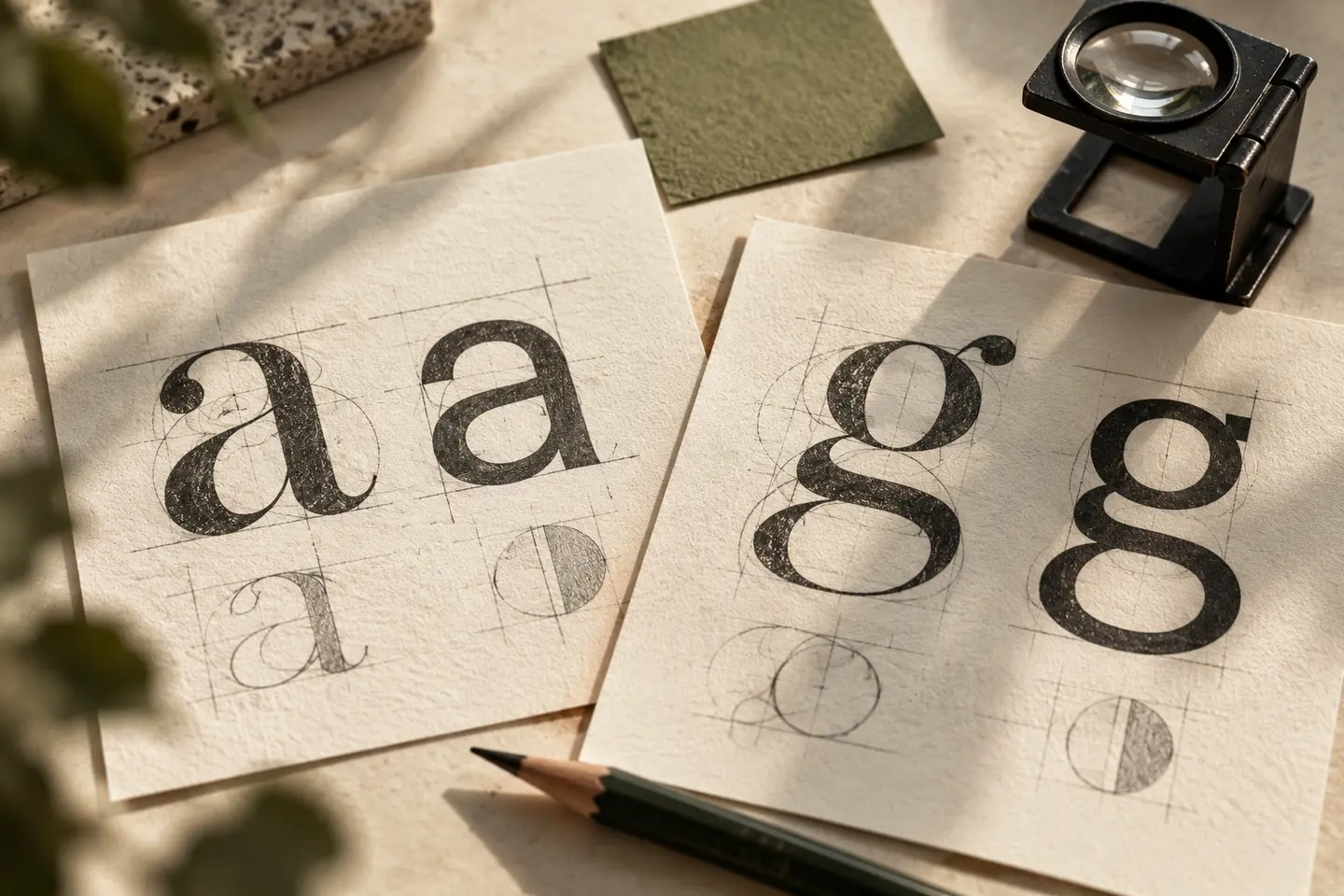
Review openings, legs, tails and character widths. One family may resemble a single letter closely while differing elsewhere. In a hypothetical brand name, a, g, R and numerals could provide useful comparisons, but the most distinctive characters depend on the candidates. Set the actual word rather than relying on a small generic preview. Look across the entire sequence and note differences instead of allowing one especially convincing letter to decide the result.
Separate family, weight and custom lettering
Different weights of the same family can create different impressions. Tracking, horizontal scaling or individual outlines may also have changed. A logotype may begin with a commercial family and then receive custom alterations. Failure to find an exact match does not necessarily mean the tool is defective. Identify the likely base family and explain any separate drawing work. Do not promise that simply typing the name will reproduce a modified logo exactly.
Verify the candidate before using it
Test required Turkish characters, weights and numbers with real project content. Do not add an unknown font file to the delivery package merely because its name appears to match. Review the conditions relevant to the intended application; desktop and web arrangements can differ. Recognition addresses identification. Obtaining the correct file, confirming suitable usage and implementing it reliably are separate decisions that should be completed before the candidate becomes part of an approved system.
Prepare an evidence record for the BOCW discussion
Share the original image, any source document, candidate names and the characters showing differences. Clarify whether the goal is faithful continuation, a similar atmosphere or a completely new system. The typography and logo font selection guides can support the following design decision. Preserve the distinction between confirmed identification and a possible alternative in the handover so a future team does not mistake an informed estimate for a verified record of the old identity.
Key takeaways
- Check source documents before relying on recognition tools.
- Verify candidates with several distinctive characters and the actual word.
- Review language coverage and usage conditions separately from the match.
Frequently asked questions
Can every logo font be identified?
No. Custom or modified lettering may not match a ready-made family exactly. Identifying a likely base does not guarantee an identical result.
Does a recognition tool provide a certain answer?
Treat its output as candidates. Source quality and the tool’s collection limit what can be matched.
Can a matched font be used immediately?
Check the reliable source, language support and conditions for the intended application before approving it for the project.