In this article
A greenhouse business does not have to identify itself through a picture of one crop. Today's tomato grower may later offer seedlings or other vegetables. A crate label seen by a buyer also carries a different level of information from an entrance sign. The commission should explain how the producer identity, crop name and any consumer-facing brand relate. Bring existing labels and buyer presentations to the first meeting, alongside photographs of the produce itself.
Quick answer
Describe the relationship between producer name, crop descriptions and consumer brand before commissioning a greenhouse logo. Trial the identity on crate labels, an entrance board and a buyer presentation. Request a system that accommodates another crop without redrawing the company mark. Judge approval through legibility independent of seasonal imagery and the information space preserved on small labels.
Identify whether the commission concerns a producer or a product
The business's selling model is the first briefing question. A grower supplying buyers in bulk may need a different prominence arrangement from a business selling packaged produce directly to consumers. List the trading name, the short name buyers use and any pack-facing brand. Management should confirm which activities remain together and which ventures need separate explanation. This lets the designer understand the structure before adopting one vegetable silhouette as the permanent representative of the business. Mark uncertain future crop plans as possibilities rather than settled commitments.
Preserve changing information on crate labels
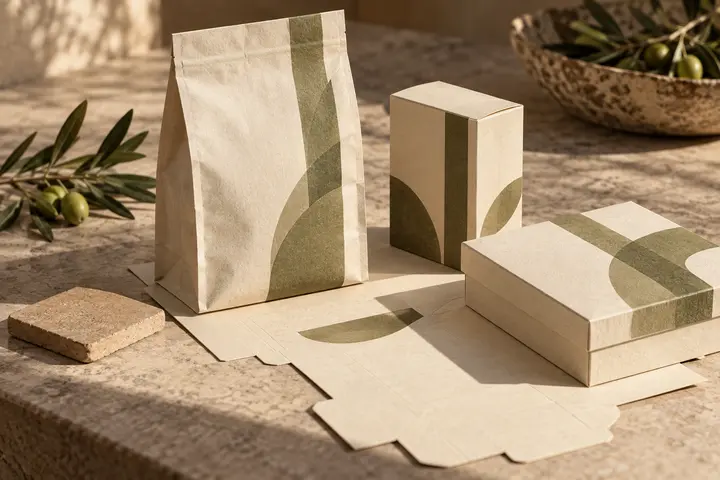
A crate label may carry a crop name, client-supplied batch information and other buyer-facing fields. Supply examples at realistic text lengths rather than empty boxes. If enlarging the logo crowds out those fields, the team needs a hierarchy decision. Inspect photographs of stacked crates to establish which faces remain visible. Instead of assuming one label shape fits every crate, identify the actual formats through supplier drawings. Check whether lids or folding points obscure part of the identity.
A hypothetical crop change reveals what should stay stable
Imagine a business offering peppers in one season and cucumbers in another. Buyer documents can change photographs and crop headings while retaining the producer name, core colour arrangement and contact area. Ask to see both documents side by side. Discuss whether a leaf illustration created around the first crop becomes misleading with the second. The aim is not to make the products appear identical, but to connect different offers to one business. Seasonal campaign imagery and the enduring company signature therefore deserve separate evaluation.
The greenhouse entrance differs from the buyer presentation
The entrance board's background, frame and surrounding directions form the design context. Use an actual entrance photograph instead of selecting signage on an idealised blank wall. In the buyer presentation, the name sits alongside crop images and a description of the facility. Where photography overwhelms the lettering, try a quieter identity zone. Visitors should read the same business name at the gate and in their documents. If a shortened form is used, establish the particular situations where it applies.
Ask for a handover that supports changing crops
List the crate-label header, entrance-board arrangement and buyer-folder cover as distinct applications. Show which areas accept replacement product photographs and which preserve the logo. Separate documents that staff can update routinely from new packaging that requires additional design work. When comparing quotations, look beyond the number of logo concepts: ask whether the actual crate formats and two contrasting crop examples are included. Keep the approved label sample with a record of the specific crate model for which it was prepared.
Key takeaways
- Give producer identity and crop headings different visual levels.
- Test crate labels with real information and actual crate formats.
- Keep seasonal photography outside the permanent logo artwork.
Frequently asked questions
Must the logo depict the vegetable being grown?
No. A crop-specific image can restrict a changing portfolio. If that association is intentional, examine its consequences across documents for several different products before selecting it.
Are greenhouse photographs useful in the brief?
They help when entrance signage or facility presentations are included. Photographs show the real background, neighbouring lettering and available identity space more accurately than a clean mockup.
Can staff prepare crate labels themselves?
An appropriate editable template can support changing information. The handover should show which fields staff update and how the identity area remains protected.