In this article
A dental clinic logo commission begins with a naming decision. The name patients see when booking should connect clearly with the name they find at the entrance. A dentist’s personal reputation, the practice name and the visibility of future colleagues can pull the design in different directions. Explain that relationship before asking for visual concepts. The practice team should supply approved service descriptions, while the designer concentrates on making the identity usable across the patient journey.
Quick answer
To commission a dental clinic logo, define the relationship between the clinic name and practitioner names, then identify the most important patient touchpoints. Compare proposals on entrance signage, appointment reminders and patient folder covers. A tooth illustration is optional. Ask for a small format variant, a single colour version and production files that a signage supplier can interpret.
Decide which name must remain stable
A sole practitioner may put a surname first, while a group practice may need an institutional name that survives changes in personnel. Describe the actual team and distinguish possible expansion from confirmed arrangements. Ask what happens when another dentist joins. In a hypothetical practice adding a second clinician, practitioner names might sit in an editable supporting line. That choice should follow the ownership and staffing model, rather than a stock assumption about how every dental business should look.
Try the appointment screen before approving a symbol
Place the proposed identity above a sample appointment reminder at ordinary phone size. Check whether a long practice name remains readable and whether the supporting descriptor competes with it. If the profile image needs a separate mark, ask how it relates to the full signature. Use invented names and dates in demonstrations. Actual patient details contribute nothing necessary to this visual exercise, and the design brief should not become a repository for confidential appointment records.
Treat glass and walls as different backgrounds
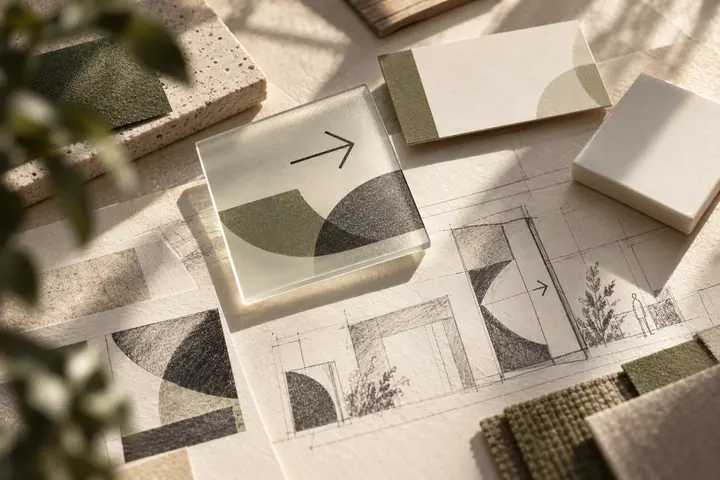
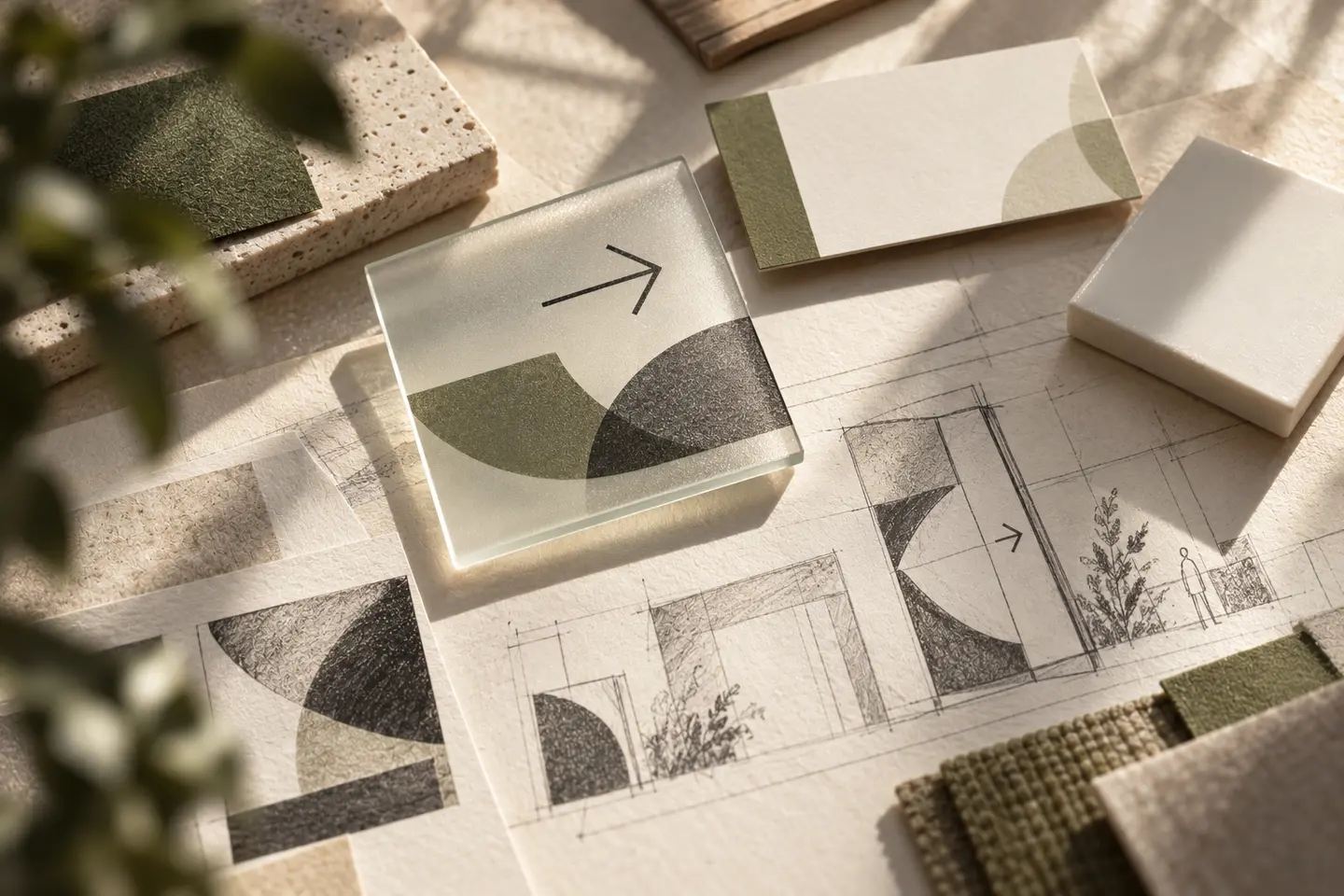
An entrance window, reception wall and floor directory expose the logo to different backgrounds and viewing distances. Supply photographs of the actual surfaces, nearby lettering and available placement areas. A window with activity behind it needs a more realistic trial than a blank white presentation board. Request a proportioned signage layout before production. The installer’s material assessment and the design approval should remain distinct steps: an attractive rendering cannot establish how fabricated letters will look on the building.
Keep clinical paperwork easy to navigate
The logo on a patient folder, envelope or information sheet identifies the practice without overwhelming the document. Fine lines may disappear in a basic copy, while a large solid symbol may dominate a routine office print. Request an actual size sample on the paper the clinic expects to use. Keep contact information and approved professional descriptions in editable text areas. The clinic should supply and approve these details; a visual identity commission does not establish their clinical or regulatory accuracy.
Accept the design through a working day
A hypothetical review can follow the morning reminder, entrance sign, reception card and folder cover in order. Look for a recognizable family while respecting each surface’s reading distance. Establish whether the quotation includes workable layouts or presentation mockups alone. The handover should identify typefaces, colour specifications, the single colour version and the purpose of each supplied file. If measured signage drawings will be commissioned separately, record the responsible supplier so the clinic does not mistake a visual example for an installation package.
Key takeaways
- Agree how practitioner names can change without rebuilding the identity.
- Review a normal phone screen and a real office print.
- Use fictional patient details in every demonstration layout.
Frequently asked questions
Must a dental logo include a tooth?
No. A wordmark, distinctive lettering or another original device may suit the practice. Judge the options against the naming structure and real applications, rather than the prevalence of tooth symbols.
Is entrance signage included in logo design?
Only if the scope says so. Measured layouts, fabrication drawings and manufacturing can be separate services; establish which deliverable the quotation actually covers.
Will adding a dentist require a new logo?
Possibly, if every practitioner is embedded in the main artwork. A separate supporting name system can make future changes more manageable when planned from the beginning.