In this article
A delicatessen comparing logo quotations should distinguish its own retail name from the manufacturers whose goods it stocks. The identifier above the counter, the label on a cheese portion and the mark on a gift box serve different purposes. Understanding whether a proposal covers only the principal identity or those applications as well is essential to a meaningful budget comparison. This guide helps translate different selling formats into defined design deliverables, while keeping printing, packaging manufacture and specialist product information responsibilities visible rather than implied.
Quick answer
Delicatessen logo pricing reflects the shop-name investigation, any own-label brand structure and the agreed packaging or retail applications. Label templates, product variations and gift-box graphics need separate definitions. Supply authorised artwork for other manufacturers’ marks, and distinguish design from printing, box manufacture and content verification. A quotation is useful when the scope identifies the actual outputs rather than treating every possible retail surface as one logo deliverable.
The shop identifier is not the manufacturer mark for every product
A retailer’s selection identity and the identifier of the actual producer communicate different information. Explain which products will carry the business’s own brand and which must retain an existing manufacturer identity. Co-branded examples may be needed, but redesigning third-party marks should not be assumed. The business should provide authorised source files. Ask whether the proposal investigates only the shop name or also the hierarchy of product brands. Without this distinction, quotations can place materially different assignments under the same apparently simple logo heading.
Changing information on weighed-product labels
Products portioned at the counter may carry changing names, quantities and other information approved by the business. Specify whether the requirement is one reusable label arrangement or finished artwork for each variety. Real output dimensions and the available placement area of the existing label equipment should guide review. Authorised business specialists prepare and verify product information. Arranging that wording visually does not make the designer responsible for its suitability. Compare not only the number of labels but also who will populate the reusable structure during everyday operation.
Gift boxes may introduce a separate application family
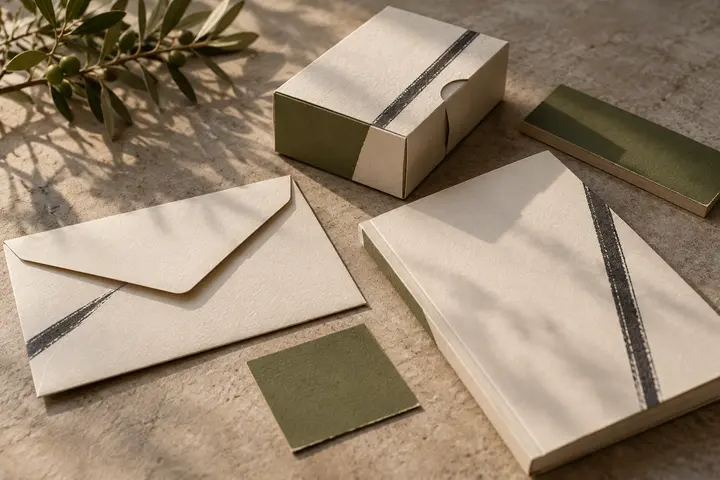
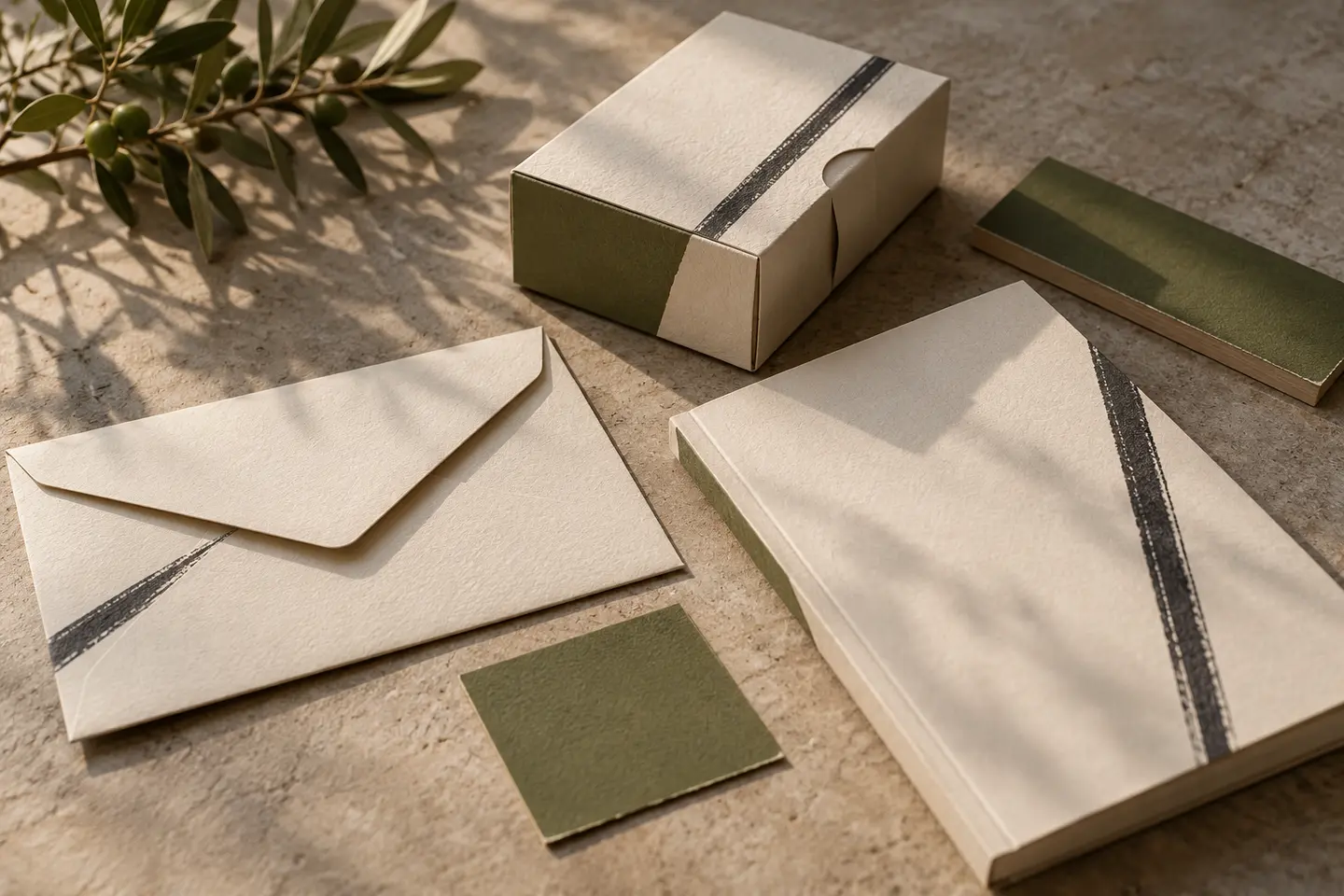
A hypothetical seasonal selection box can have very different surfaces from everyday wrapping. The lid, side panel, insert card and product list may each require artwork. A box visualisation included in a logo presentation does not mean every component is production-ready. Supply the manufacturer’s actual dieline and dimensions, and state the number of box varieties. Materials, fillers, manufacture and packing labour create separate expenses. A seasonal application can often be scoped as an adaptation rather than assumed to require replacement of the principal identity.
Set boundaries for the multiplication of counter cards
Product-name cards and price areas carry the shop identity into daily retail use. A master card layout differs from preparing finished cards for the entire counter selection. Review two or three representative examples, including longer names, to establish how the structure behaves. Assess a printed sample at its intended viewing distance rather than relying only on a screen. If staff will update the cards, identify their editing software. Template development, the initial populated card quantity and later product additions can be listed as separate responsibilities within the proposal.
Test the same retail name on contrasting packaging surfaces
Before approval, review the principal name arrangement on a small label, a narrow wrapping strip and a box lid. Agreed alternative arrangements may work better than forcing one proportion onto every surface. Their number belongs in the delivery list. The business should check final spelling and contact information before physical production begins. A new product family or another box size requested after identity approval can create additional work. Understanding how those requests are quoted helps separate the principal identity fee from recurring seasonal packaging expenditure.
Key takeaways
- Distinguish retail selection branding from the actual manufacturer identity.
- State template delivery and populated product variations separately.
- Provide gift-box dielines and identify all surfaces before quotation.
Frequently asked questions
Does a delicatessen logo fee include every product label?
Only where label types and variation counts are explicitly described. The master logo, a blank template and populated product files are different deliverables. State which information the business will enter and which pages the designer will prepare.
Does packaging design pricing include manufactured gift boxes?
A box shown in a presentation is not a physical order. Dieline adaptation, print artwork, materials and manufacture should be identified separately. Include insert cards and seasonal variations in the application list where they are needed.
How should other manufacturers’ identities be handled?
The retailer should provide authorised artwork and relevant usage boundaries. Design work can demonstrate how those identifiers sit beside the shop identity; the commission does not itself authorise changing a third party’s mark or granting permission to use it.