
In this article
Explore logo design in Adıyaman through a hypothetical cultural excursion cooperative. Participants need to recognise the organiser they saw in their booking message when they arrive at a meeting point. They should also distinguish it from a venue, individual guide or transport provider.
Quick answer
A clear identity gives the cooperative a readable name and a consistent signature across changing programmes. Rather than collecting cultural symbols in one mark, choose a focused idea such as participation or shared discovery. Test it on phones, printed cards and meeting signs.
Separate organisation and programme
Imagine a walking programme, museum visit and workshop excursion. The identity stays consistent while dates, meeting details and programme titles change. Review three populated layouts rather than empty mockups. Participants must still understand who provides the service. Test any shortened name in context before adopting it for narrow spaces.
Express cooperation simply
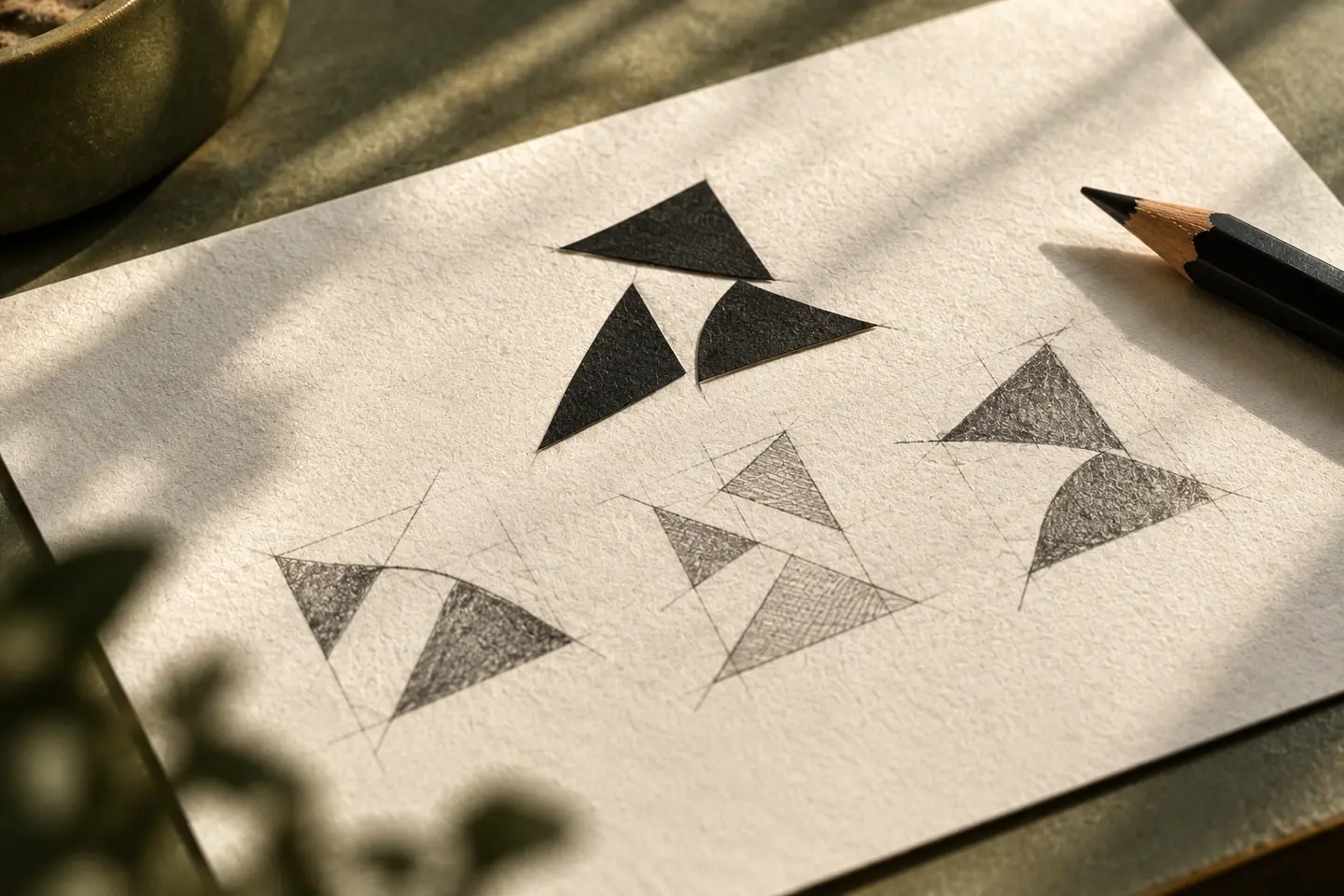
Repeating shapes, connecting lines or an open frame might express collective activity. Do not claim that an abstract shape represents a specific historic object without evidence. Explain each proposal in one sentence and draw it with the real organisation name. A long name may change the balance achieved with temporary lettering.
Balance warmth and clarity
Handwritten lettering can feel welcoming but become difficult on a small booking card. Keep the main name, service description and event information in separate roles. Check Turkish characters and line breaks. If the design resembles an official seal, consider whether it implies an authority the cooperative does not hold.
Rehearse the meeting point
Place the logo on a realistic meeting sign, a busy programme page and a single colour guide bag. Ask someone to find the organiser rather than describe the symbol. Check that the logo does not compete with directional arrows or accidentally appear to tell people where to walk.
Prepare partner relationships
Create sample signatures for equal partners, service suppliers and host venues. Equal visual dimensions do not always produce an appropriate relationship. Deliver wide and narrow layouts, single colour artwork and digital files. The guide should explain programme naming and partner placement as well as clear space. Name files so staff can choose the right version.
Key takeaways
- Distinguish the institution from its programmes.
- Test recognition at the meeting point.
- Define partner signatures before launch.
Frequently asked questions
Does each trip need a symbol?
Usually the programme title and supporting imagery can change within the main identity.
Is a cultural motif essential?
No. Consider its meaning and whether it ties the cooperative too closely to one destination.
Can the logo provide wayfinding?
It helps identify the organiser, but clear meeting text and directional signs still have distinct jobs.


