In this article
A small appliance identity enquiry may include the device, its carton and its online presentation. These are different design outputs. A kettle body and the narrow handle of a handheld device accommodate the brand at different scales. Launching a few initial products also differs from updating an extensive existing portfolio. Separate principal identity, representative product trials and packaging requirements before comparing proposals. Clarify that graphic design addresses the visible presentation of the brand rather than the technical assessment or performance of the appliance itself.
Quick answer
Small appliance logo pricing reflects identity exploration, visibility trials on selected products and agreed packaging or digital adaptations. Each colour option may not require another identity, while a new box size or product form can create additional work. Photography, specialist product content, printing and manufacturing the identifier on a device should each have explicitly defined scope and ownership.
Test representative body and handle placements
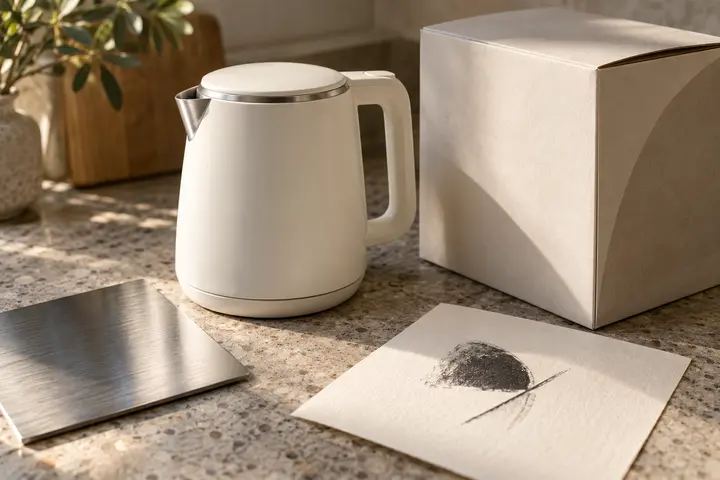
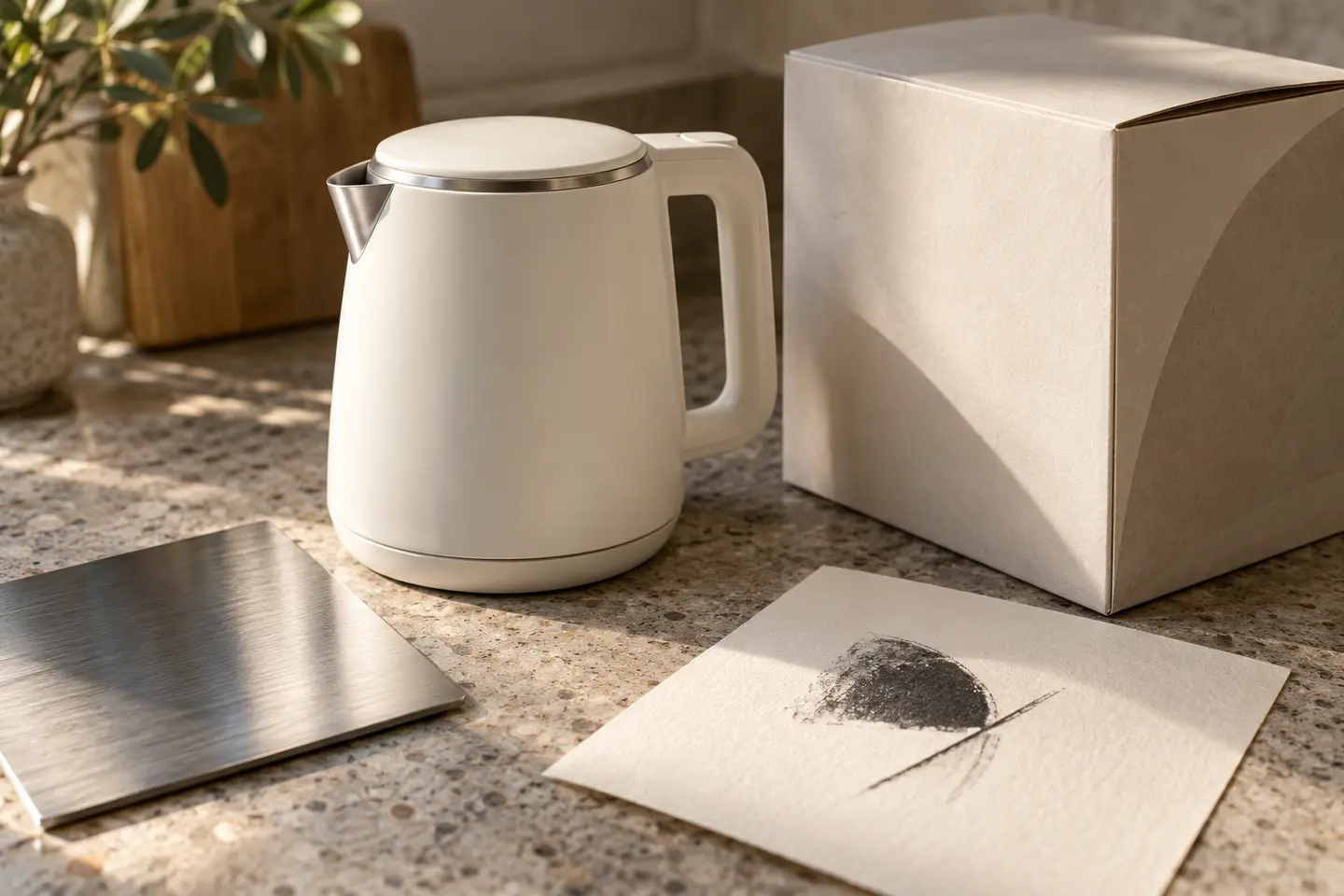
Instead of requiring the same logo size everywhere, show the real placement areas. A curved body and slim handle may need different arrangements. Obtain dimensions and application-method information from production staff. Specify the models tested and the number of delivered application files. One product visualisation does not represent manufacturing artwork for the complete portfolio. Avoid unlimited expectations for future devices whose shapes remain undecided. Selecting initial examples also provides an opportunity to discuss how another model would enter the identity system later.
Separate colour adaptation from a new creative direction
Light and dark arrangements can help assess several finishes of the same appliance. Each finish does not necessarily require independent logo exploration. Distinguish developing another creative direction from placing the approved identifier on agreed backgrounds. Ask which colours are reviewed and whether individual files are supplied. Rather than including every undecided future finish, define the rule for adding another surface. A short usage note can illustrate that rule and make later updates easier to specify without reopening the complete identity investigation for each colour.
Count cartons independently of product names
One product name may cover several accessory bundles or box dimensions. Supply actual dielines and approved information when packaging design is requested. Showing the logo on a carton does not prepare an entire packaging family for print. A hypothetical launch might require a main box and one accessory label. Establish who supplies photography, translation and specialist content. Arranging provided materials differs from producing photographs or writing copy. The quotation should make that distinction visible so neither side assumes an unpriced content-production service within the identity commission.
List sales images by purpose as well as quantity
A marketplace hero image, feature card and campaign announcement may require different information structures. When digital applications are requested, specify dimensions and delivered files. Reducing the logo is not equivalent to designing the complete sales page. Supply the actual placement areas used by the intended platforms. Another size may need adaptation, but ongoing content production is not automatically included. Ask the sales team to prioritise its first requirements. This helps obtain useful launch assets without spending the initial budget on layouts that nobody has a defined reason to use.
Organise the file family for later model updates
Name the vector master, compact product arrangement and background variants individually. Explain which file changes when another model or box dimension is introduced. Print preparation, physical product marking and uploading sales artwork involve different responsibilities. A supplier requesting an existing file differs from needing a newly composed application. Read the boundaries of post-delivery support in the proposal. A growing portfolio can then distinguish routine reuse from genuinely new design tasks, rather than treating every update as either unlimited free work or complete identity redevelopment.
Key takeaways
- Choose trials using actual body and handle placement areas.
- Distinguish colour adaptations from independent identity exploration.
- Count cartons, accessory bundles and sales images separately.
Frequently asked questions
Does every appliance colour require another logo fee?
It depends on the required task. Using approved artwork on another background differs from exploring a new creative direction. Identify the included colour trials and delivered versions in the proposal.
Why might packaging have a separate price?
Dimensions, information and product variants create additional layout work. A carton visualisation does not establish production-ready delivery for every package. List the actual packaging files required before comparing quotations.
Who supplies the product-marking information?
The production contact should provide the placement area and method. Graphic trials use those inputs. Tooling, physical samples and manufacturing approval need separate responsibilities rather than being inferred from acceptance of the identity artwork.