In this article
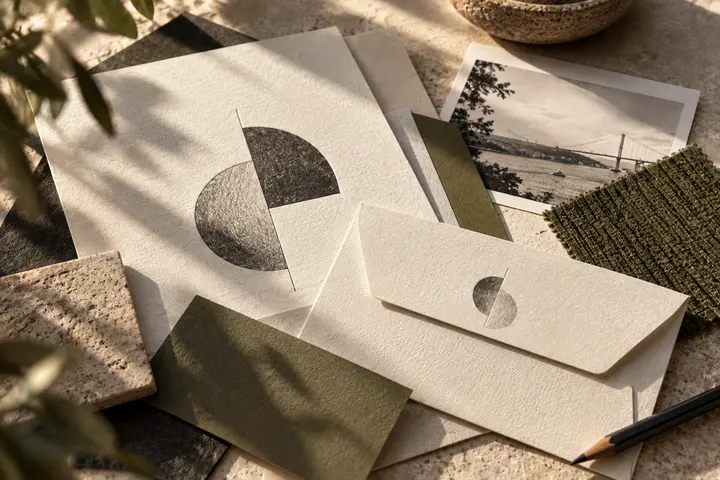
A signage company logo does not need to become a miniature catalogue of everything the workshop can manufacture. Prospects may see it across a facade, examine it on a survey form or glimpse it on a fitting vehicle. Build the commission around these different readings. Even for a business that manufactures its own signs, design approval and production choices are distinct decisions. Resolving the name and underlying shape first prevents an impressive material demonstration from concealing an unresolved identity problem.
Quick answer
Supply the company name, approved service descriptor and both large and small applications. Compare directions as plain artwork, on the workshop facade and on a small maker label. Specify illuminated or dimensional trials separately. Name survey templates and vehicle layouts when required, and assign verification of final production dimensions to the team responsible for the physical application.
Select the underlying shape before the material
Metal, acrylic and lighting can give one drawing very different personalities. Comparing a polished dimensional mockup with a plain black alternative makes the decision unclear. Review all directions under the same simple conditions first. Then test the preferred direction using an intended production approach. On a hypothetical workshop sign, remove the shadow effect and check whether the name remains distinctive. Define recommendations and manufacturing responsibilities separately so the designer is not expected to make an unrequested production decision merely through the way a presentation is illustrated.
Give service descriptions their own space
Listing signage, digital printing, wrapping and other work in one line can shrink the main name. Separate the service list from the permanent identifier. A facade may allow a generous descriptor while a profile or label cannot carry it. Demonstrate full, compact and descriptive arrangements at two scales if required. Management decides which information belongs on each surface. Adding a service should not automatically mean adding another word to the master drawing, especially when the resulting mark would become harder to read on the company’s everyday documents.
Treat the survey form as a customer encounter
A form used during a site visit is part of the company’s professional presentation. Request a populated example with an illustrative client, project heading, notes and photograph areas. The mark should remain outside drawing space and separate from changing information. This assignment organises an existing document rather than determining technical survey methods. Specify how staff will fill the template, add photographs and preserve fixed fields. That distinction makes an editable working form different from an attractive blank layout shown only within the logo presentation.
Test the small maker label separately
A maker label or service information area has much less space than the workshop facade. The company should define when it intends to use that application. Give the designer its dimensions and required wording. If a symbol-only version is needed, explain its connection with the full name. Visibility on a client’s sign is a separate communication decision. Review that relationship in an illustrative application rather than treating it as an improvised signature added after the customer’s main artwork has already been approved.
Open delivery with workshop and field staff
Have a workshop colleague open the master vector and a field colleague create another project heading in the survey template. Review door joins and supporting information separately if vehicle layouts are included. Clearly distinguish plain master artwork from material renderings prepared only for presentation. Receive approved monochrome, dark background and small-use versions. Acceptance should go beyond an impressive workshop sign showcasing manufacturing skill. It should demonstrate that the business can use the same correct name on modest documents and labels where material effects offer little help.
Key takeaways
- Compare candidates before adding persuasive material effects.
- Keep service lists separate from the permanent logo drawing.
- Test a large facade and a small maker label together.
Frequently asked questions
Is an illuminated mockup enough for approval?
No. Plain artwork, small use and the chosen physical trial reveal different aspects of performance. Review them together before selecting the final identifier.
Is vehicle wrapping design included?
Only when stated. The mark, vehicle layout, production artwork and fitting can be separate tasks. Identify the actual vehicle model as well.
Must the service descriptor always appear?
No. A descriptive facade arrangement and compact label version can coexist. Demonstrate their relationship within the handover guidance so they remain one recognisable identity.