In this article
A physiotherapy centre identity budget cannot be defined solely by looking for an emblem that suggests human movement. The centre name, team presentation, entrance area and information documents create different design requirements. Video communications may introduce another setting for the identifier. Not every surface needs to be part of the first commission. Comparing the actual order of use is more informative than buying an undefined identity package. The examples here concern design procurement; they do not recommend treatments or suggest that a visual identity can produce a particular health outcome.
Quick answer
Physiotherapy centre logo pricing should reflect the naming structure, the extent of symbol exploration and the range of agreed applications. An entrance sign example, document template and video corner identifier are different outputs. Manufacturing interior graphics, filming videos and preparing specialist personalised information need separate definitions. Distinguish what the designer will explore, what will be demonstrated and what will be handed over ready for implementation.
Explain the investigation behind an idea of movement
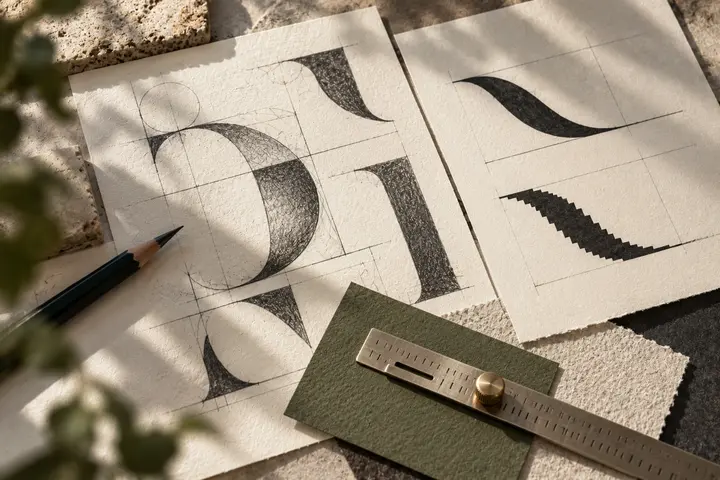
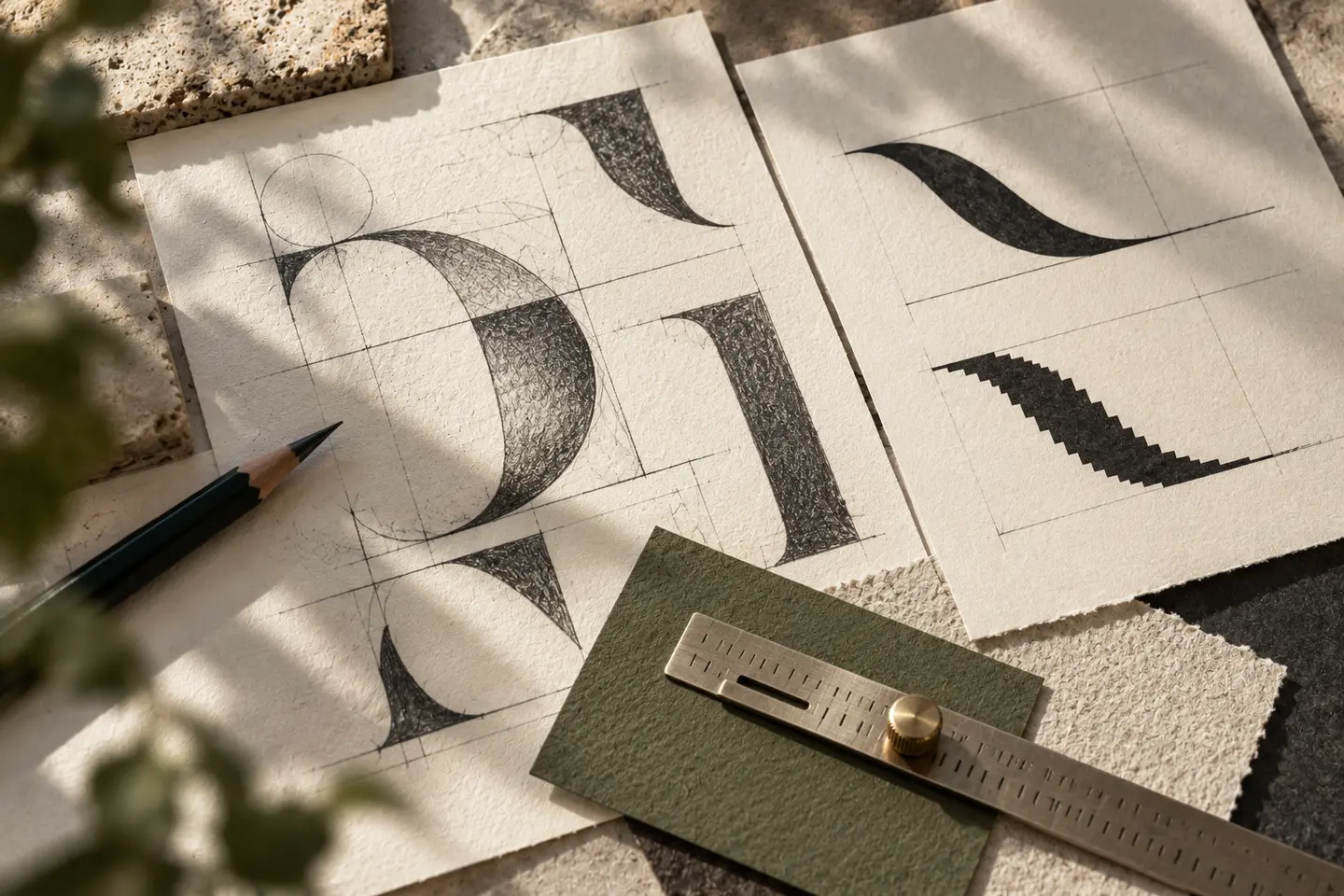
A human figure, an abstract line and a typographic identity are different visual directions. Instead of requesting unlimited versions of every option, explain which aspect of the centre should guide exploration. The authorised team should assess whether a figure suggests an unintended professional method or treatment outcome. Creating original artwork differs from simplifying an existing identity. When the proposal identifies the question being investigated, alternatives can be evaluated against a shared purpose rather than counted as interchangeable pictures or selected only through personal preference.
Arrange the relationship between centre and specialist names
Several specialists working under one centre name do not necessarily need separate logos. A structure placing individual names and approved information beneath the centre identity may be considered. State how many named files are required initially and how additions would be handled. If a partnership change would also change the institution’s name, that is a different identity decision. Clarifying the team list and main name before quotation helps distinguish a straightforward text adaptation from the work of rebuilding the entire identification system.
Interior graphics can extend beyond the logo presentation
Showing a logo on one wall does not design the graphics of the complete facility. Room headings, information boards, door labels and directional items may need a separate surface and content inventory. Provide real photographs and dimensions and identify who decides production materials. In a hypothetical opening, the entrance might be completed first while other applications are considered later. When comparing initial fees, check whether the proposal includes a representative visualisation or measured application artwork. They should not be treated as the same deliverable merely because both show the identity in a space.
Using a logo in video does not automatically require animation
A fixed corner identifier or closing card may meet the centre’s immediate video requirement. Animated identity, editing templates and the production of an entire video series involve different work. Actual backgrounds and portrait or landscape proportions can define a useful trial set. Specialist descriptions of movements or procedures should be provided by authorised contributors rather than invented by the graphic team. Distinguish a representative video frame in a presentation from a filming commission so that the content-production responsibilities included in the budget remain explicit.
Test document and handover files against daily workflows
If the centre uses an assessment or information document, review the balance of headings and empty fields using a representative example. The designer arranges approved content; creating clinical form content is a separate specialist responsibility. Specify which application will open and print the template. At handover, distinguish the master logo, single-colour arrangement and selected application files. Supplier support and later requests for additional dimensions should be described in the agreement. This allows acceptance of the identity to be separated from operational needs that may arise after the initial delivery.
Key takeaways
- Define the hierarchy between centre branding and individual names.
- Separate interior visualisations from measured application drawings.
- Distinguish fixed video placement from logo animation.
Frequently asked questions
Must a physiotherapy centre logo contain a human figure?
There is no single compulsory design solution. Different approaches can be assessed through the centre name and intended uses. The authorised team should review professional associations created by any figure, without assuming that a visual identity can communicate or guarantee treatment outcomes.
Does the logo price include all room signs?
Only if their number, content and delivered artwork are expressly described. Showing the principal identity on a wall does not cover the design or physical production of every room label and directional element within the centre.
Does an information video need a separate budget?
Fixed identity placement, a closing card, logo animation and video production are different tasks. Determine which output meets the first requirement and separately identify specialist content, filming and editing responsibilities before comparing the relevant proposals.