In this article
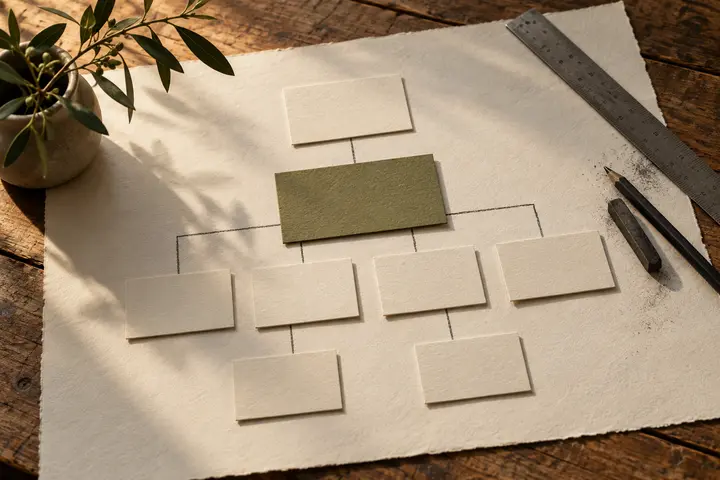
A pet shop identity needs to identify the retailer among numerous product brands. Choosing a cat or dog illustration resolves only part of that task. A store also carrying bird, fish or other categories can quickly overcrowd its mark by adding every animal. Explain the shop name, category signs and manufacturer identities as separate layers. Reviewing a bag, shelf heading and online sales profile together reveals which elements help customers understand the store behind a varied range of products.
Quick answer
Supply the approved shop name, category list and online trading name. Test directions in front of shelves, inside a small sales profile and on a bag. Commission category icons separately from the main logo. Name store labels, product cards and packing tape when required, keeping retailer identity distinct from manufacturer packaging and approved specialist product descriptions.
Explain what the animal figure represents
A paw or cat-and-dog combination is possible without illustrating the full range. Management should describe the familiar store name and which category breadth matters in communication. Apply the identifier to a hypothetical bird product announcement. If the mark contains only a dog, does the written name still identify the retailer clearly? Compare typographic or abstract directions instead of adding another silhouette to every category problem. Appearing friendly and being recognisable at small size are different criteria, and both deserve a practical review rather than one general reaction to cuteness.
Build a supporting language for shelf categories
Food, toys and other department names should come from the store’s own list. They are not permanent parts of the master logo. Prepare two shelf headings of different lengths, ensuring any category icon does not replace the retailer identifier. Inspect readability against a photograph of colourful product packaging. Specify icon quantities, panel types and naming arrangements if this system is commissioned. The task organises existing retail departments; it does not provide animal care or product selection guidance. That distinction keeps the brief focused on information customers need to navigate the shop.
Keep product branding distinct from the store
An online product card may contain manufacturer packaging and the retailer name. A shop mark made to look printed directly on the product can confuse that relationship. Demonstrate separate areas for the product photograph and store signature. Use illustrative packaging rather than inventing brand partnerships. Product descriptions and specialist wording should come from approved business content. Logo design is not an opportunity to add a new quality or health claim. If product card templates are included, identify image proportions and editable text fields so staff can prepare another listing consistently.
Treat bags and shipping packages as different encounters
A shopping bag accompanies an in-store purchase while a parcel identifies a remote delivery. Monochrome bag printing and narrow packing tape may support different detail. Decide where the full name, compact identifier and contact line belong through two examples. Obtain printing areas and methods from suppliers. Drawing the logo, creating a repeating tape pattern and arranging a box are separate tasks. Do not assume one commission includes manufacturing every packaging item. An actual product and dimension list makes quotations comparable and gives the final application review a defined scope.
Test another category and product card at delivery
Ask staff to enter a new category and long product heading into the template. Check the small profile asset in square and circular crops. Name vector masters, monochrome artwork, shelf icons and sales graphics clearly. Explain where supporting category symbols must not substitute for the main mark. Illustrative information is sufficient; real customer orders are unnecessary for testing. Acceptance should establish the same recognisable shop across shelves, packages and screens rather than measure how many animal types the designer managed to fit inside a single crowded emblem.
Key takeaways
- Organise retailer identity, manufacturer branding and category signs separately.
- Test the main mark across different product category announcements.
- Supply real areas for bags, packing tape and sales profiles.
Frequently asked questions
Does a pet shop logo need a paw?
No. A paw is one option, but the name and category range may support another direction. Compare recognition across actual applications rather than assuming one motif is necessary.
Are shelf icons automatically included?
No. Icon quantities, category wording and panel layouts should be defined as a separate supporting system when the shop needs them.
Should manufacturer logos be redrawn for product cards?
Treat manufacturer identity separately from the retailer logo. Supply approved product imagery and create a store template that presents it without distorting the product branding.