In this article
A logo similarity review is more than placing two pictures together and counting differences. Recurring industry symbols, related letter constructions and the overall impression all deserve attention. This guide organises a preliminary visual review during design. It does not decide registrability or infringement, which require relevant professional expertise and consideration of the actual facts, registrations and proposed use.
Quick answer
Record the name and business context, then compare wordmarks, symbols, layouts and colour relationships separately. Save dated links to relevant findings. Registry searches and image searches provide different information; an absence of results is not a clearance guarantee. Take concerning similarities to the designer and an appropriate professional rather than treating an informal visual judgement as a legal conclusion.
Define what the search covers
Start with the full name, spelling variations, business activities and intended markets. List similar-sounding names as well as visual variants. Looking only at nearby competitors is not a comprehensive review, but neither should the search be presented as unlimited or exhaustive. Recording the sources consulted and areas not covered creates a more useful starting point for later professional research.
Compare name, symbol and arrangement separately
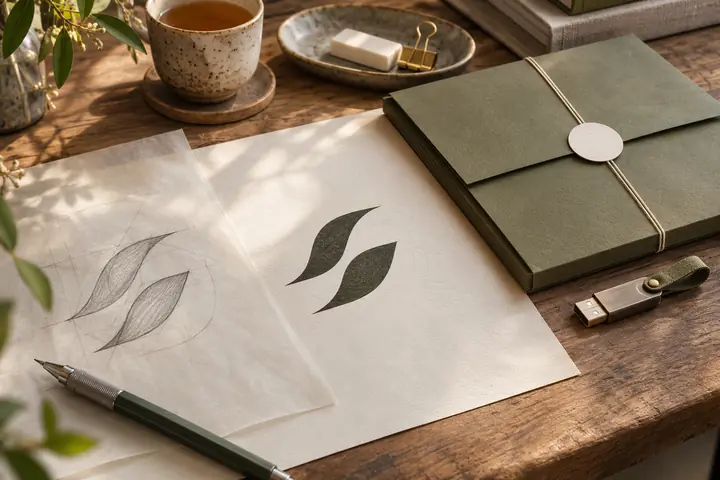
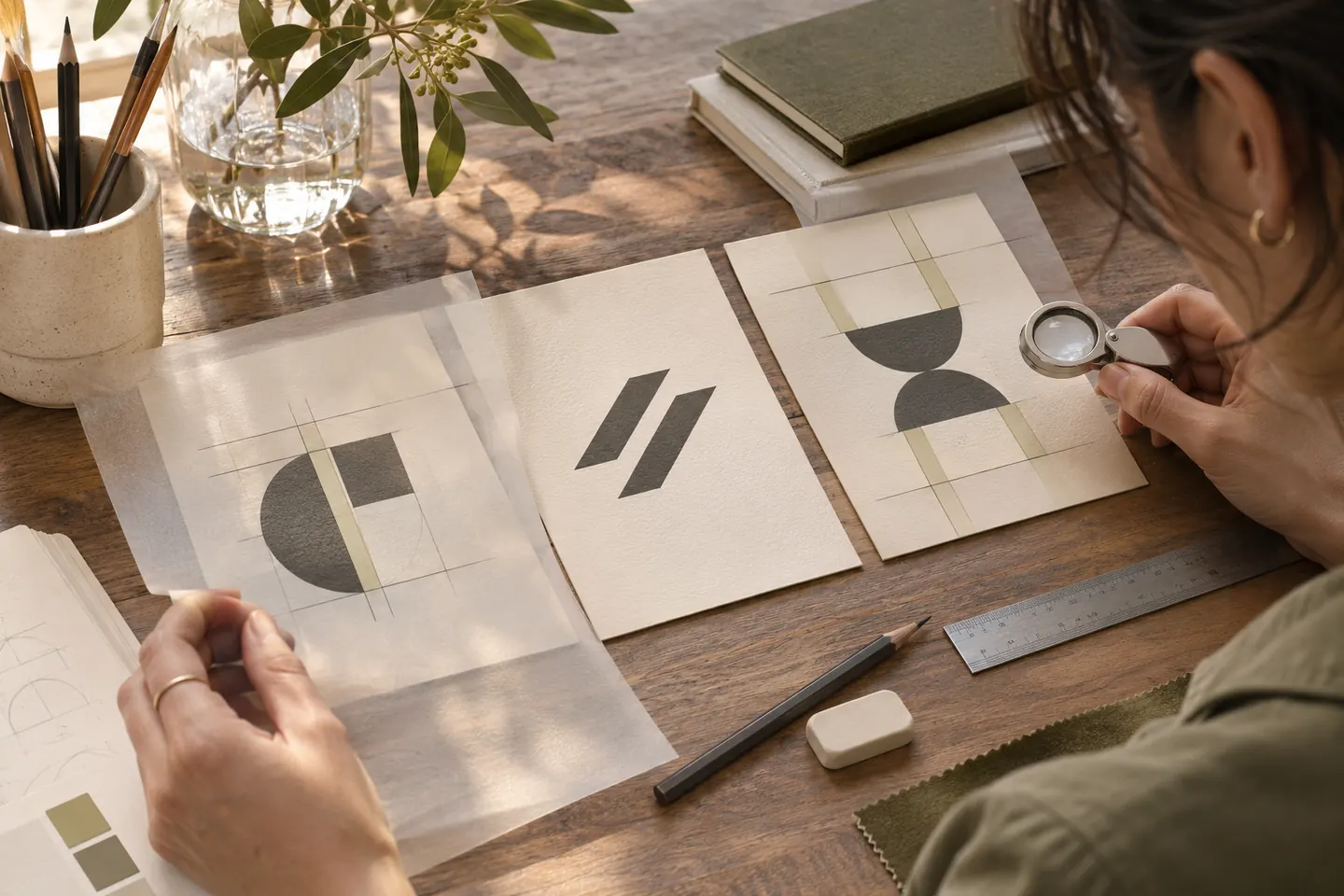
Two marks can have different colours yet share a distinctive construction. Conversely, using a circle in both does not by itself make them the same design. Compare custom lettering, negative spaces, direction and the symbol’s proportion to the name. Begin with monochrome shapes, then consider colour and context. Explain the main relationship supporting recognition rather than relying on a few isolated details.
Use different sources for different questions
The TÜRKPATENT research interface offers fields such as name, applicant and class for registry enquiries. Image searches can surface related compositions and other uses. They do not cover identical material or guarantee an exhaustive view of worldwide use. Read findings together and avoid turning an empty result into a claim of complete originality or freedom from rights issues. Legal assessment remains separate.
Turn findings into a decision record
For each material finding, save the link, access date, image and reason it matters. Describe the shared letter, space or arrangement rather than merely saying “similar”. Verify before making accusations of copying. The designer can use the record to explore another direction or explain changes. Compare revised artwork against the findings again; changing colour alone does not demonstrate that the underlying concern has been addressed.
Make unresolved questions visible before approval
State who performed the visual review, which sources were used and whether specialist clearance was obtained. A hypothetical food brand may face different questions about its name and packaging appearance; approval of the logo drawing does not establish that all related rights have been reviewed. Address unresolved matters before launch. Sharing existing marks and concerning examples with BOCW can support a more informed discussion of creative direction.
Key takeaways
- Give name and image searches distinct roles.
- Keep dated findings and reasons.
- Do not present a preliminary review as legal clearance.
Frequently asked questions
Does an empty image search prove originality?
No guarantee follows from that alone. Tools have limited coverage and access. Record the result, but review the name, registry information and relevant use context separately.
Is a small change enough?
A fixed percentage of alteration is not a sound decision rule. Consider distinctive construction and the overall impression. Discuss design changes with the designer and legal implications with the relevant specialist.
When should similarity be reviewed?
Review can be useful during initial research, direction selection and after major revisions. Record the timing and make sure final approval concerns the current mark rather than an earlier draft.