
In this article
Commissioning a logo in Gümüşhane involves more than selecting an attractive mark. In this hypothetical fruit snack business, a packaging manager worries about the pouch seal while a sales partner focuses on the online shelf. Both concerns need a place in the brief and a clear route to a decision.
Quick answer
Prepare a short brief with measured applications, examine relevant problem solving in the designer’s portfolio and appoint one approval owner. Accept the result through working files and a physical pouch test as well as the presentation. This creates a process the business can actually manage.
Bring the product to the brief
Provide a sample pouch, box, product names, sales screen and printer’s template. Confirm whether the name is final and whether customers buy individual packs or mixed gifts. If everyday snacking and gifting imply different priorities, identify the main purchase occasion rather than asking the designer to give every possibility equal emphasis.
Ask for portfolio evidence
A food related image alone does not demonstrate a suitable process. Request small size and monochrome examples, plus a produced application where available. Ask which problem led to the visual decision. Distinguish commissioned work from concepts and identify third party images used in presentations. Compare the isolated artwork with its photographic mockup.
Agree meaningful stages
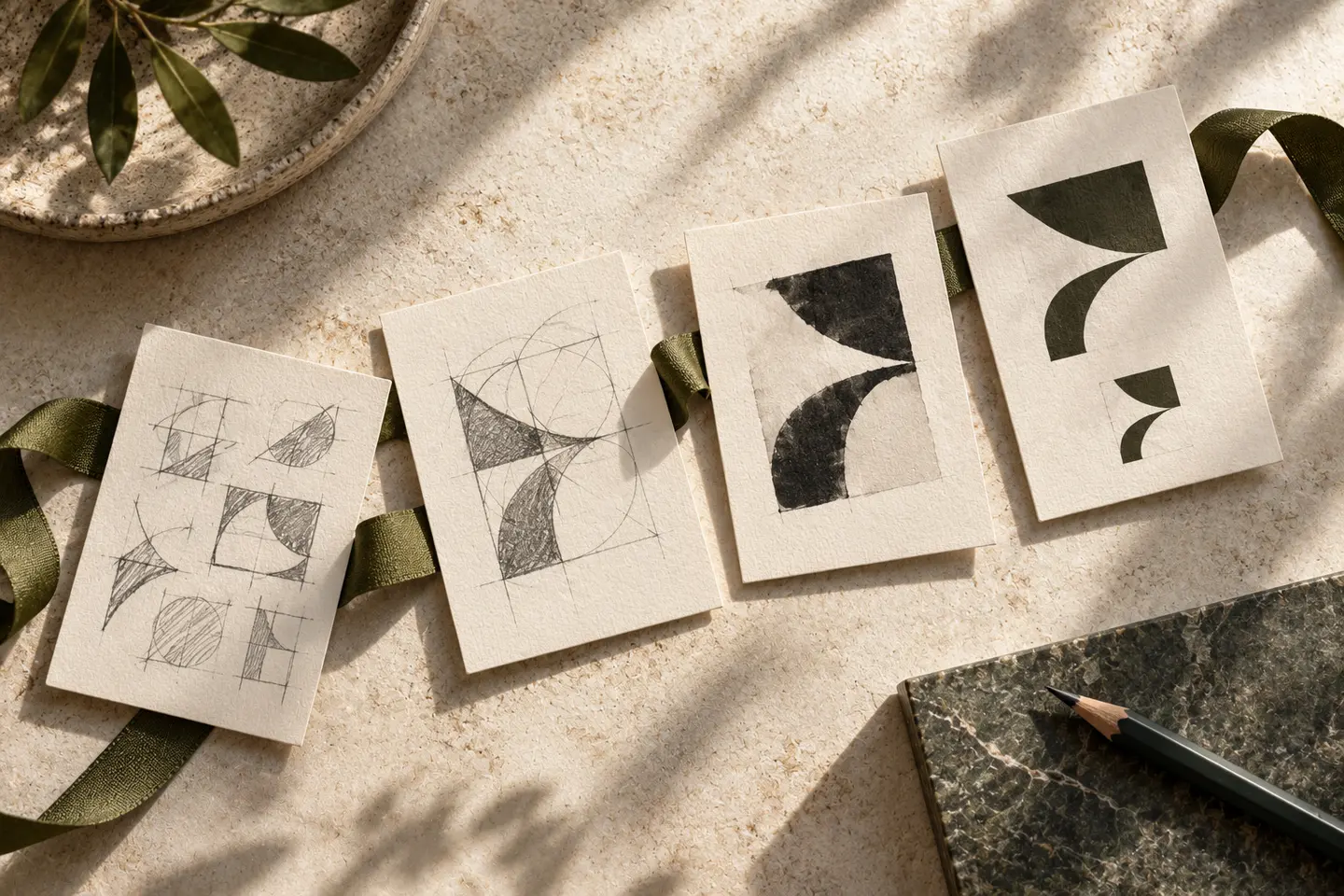
Separate scope agreement, concept directions, chosen direction refinement and delivery. Record the output and approval at each point. A rough pouch test can happen before direction approval; the complete carton artwork need not be finished first. If a printer’s template arrives late, identify the affected milestone instead of silently shifting the whole schedule.
Turn opinions into observations
More natural is difficult feedback to act on. Explain instead that the mark suggests a confectionery product or that the name disappears in a small card. A production reviewer can identify the exact letter hidden by a fold. Have one person consolidate comments and resolve contradictions before sending them to the designer.
Inspect what is delivered
Open vector artwork, check transparent images and compare colour and monochrome versions. Guidance should explain spacing and small size limits. Ensure proof corrections reach the master file. Confirm usage rights in writing. Product text accuracy and legal registration decisions should retain their own responsible owner rather than becoming assumed design deliverables.
Key takeaways
- Build the brief around the pack and purchase occasion.
- Record direction approval and production acceptance separately.
- Consolidate feedback through one decision owner.
Frequently asked questions
Can reviews happen remotely?
Yes, if measurements, templates and full size tests can be shared and someone is assigned to inspect the physical sample.
How many people should approve?
Several people may advise, but one identified person should resolve conflicting requirements and approve the work.
Does delivery finish the project?
Acceptance should follow checks that files open, versions are identifiable and the artwork works on the planned surface.


