In this article
A brochure and a catalogue may show the same products without performing the same reading task. A brochure can introduce an offer, while a catalogue organises a wider selection. Page count alone is a weak basis for choosing. This guide considers sales meetings, exhibitions and first introductions to help businesses match a document to its purpose. The answer can involve both formats, with a concise introduction supported by a more detailed reference rather than one document trying to do everything.
Quick answer
A brochure usually explains a focused offer or service in a shorter sequence. A catalogue can organise products and comparison information in greater depth. The distinction is not simply the number of pages. Choose according to what the reader must understand, select and do after using the document in the intended setting.
Distinguish first contact from product selection
Someone unfamiliar with the company may need to understand its offer before comparing variants. A buyer closer to a decision may need organised details. A hypothetical building-material supplier could distribute a short brochure at an exhibition and use a catalogue in a technical discussion. The documents support different moments rather than competing to contain the same information.
Match information depth to the reading moment
A short document does not need to explain everything; it should lead to a useful next action. A catalogue may need product groups, codes and specifications. Instead of shrinking all available copy into a brochure, choose the facts essential to an initial reading. Direct interested readers to a detailed page or supporting document when further information genuinely helps their decision.
Discuss distribution before designing the format
Handouts, mailed documents and digital files have different conditions. Consider carrying, storage, screen reading and the context in which information is consulted. A large catalogue may be unnecessary at every meeting. If printed material points to digital details, assign responsibility for keeping links current. The handover should make the relationship between the two resources clear to staff and readers.
Include updates in the overall scope
A changing product range may make frequent reprinting impractical. One option is to separate a stable company introduction from variable product material. Assess design, printing and distribution together. Looking only at the first artwork fee hides later work. Agree who updates each document and how the current version is identified so sales teams do not continue circulating contradictory information.
Use representative layouts to decide
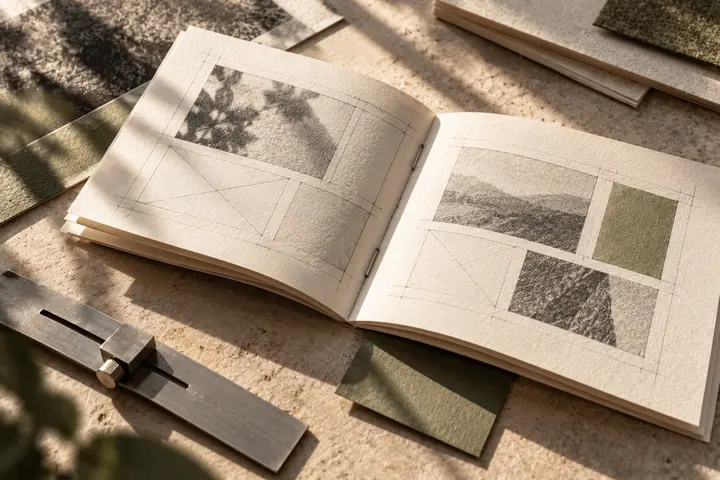
A brochure sequence and a catalogue product page can reveal which format suits the actual content. Discuss what belongs in each and what should be omitted. Sharing sales questions and existing materials with BOCW supports a purpose-led decision. Define how the document helps the customer rather than treating a predetermined page count as the main requirement of the assignment.
Assigning two documents different sales roles
A hypothetical service business wants an exhibition introduction and a detailed follow-up resource. The first may explain the offer and contact route briefly; the second may organise solution groups or product options. Record when each is needed instead of combining everything into one long document. Ask sales staff for actual usage examples. If material is routinely ignored, examine whether its context and depth are appropriate before blaming appearance. Scope each output separately and identify unnecessary duplicate content work.
Key takeaways
- Separate introductory communication from product comparison.
- Set information depth before deciding page count.
- Account for distribution and ongoing updates.
- Define distinct use moments for brochure and catalogue, and question duplicated work that serves no additional customer need.
Frequently asked questions
Must a brochure be one sheet?
No. It may use a single sheet, folds or a short multi-page format according to content and production needs.
Does every business need a catalogue?
No. Without a substantial product-selection task, a concise service explanation may be sufficient.
Can both formats be used together?
Yes. A brochure can introduce the company and a catalogue support detailed selection. Give them complementary roles instead of duplicating everything.