In this article
A bridalwear identity appears beyond the name on a window. Appointment messages, fitting folders, garment covers and designer credits may all need related arrangements. A useful price comparison identifies which of those encounters the proposal supports. Boxes and foil effects shown in a presentation do not establish that their production costs are included. Describe the atelier’s service model and products first, then separate identity development from collection photography and interior decoration. The opening purchase can then focus on files the business will actually use.
Quick answer
Bridalwear logo pricing depends on the main name, its relationship with a designer name and the selected appointment or product applications. Signature drawing, garment covers, fitting cards and window arrangements can be distinct outputs. Foil printing, packaging manufacture and collection shoots need separate scope. Compare tangible files rather than similarly worded promises of elegance in different proposals.
Resolve the designer and atelier relationship
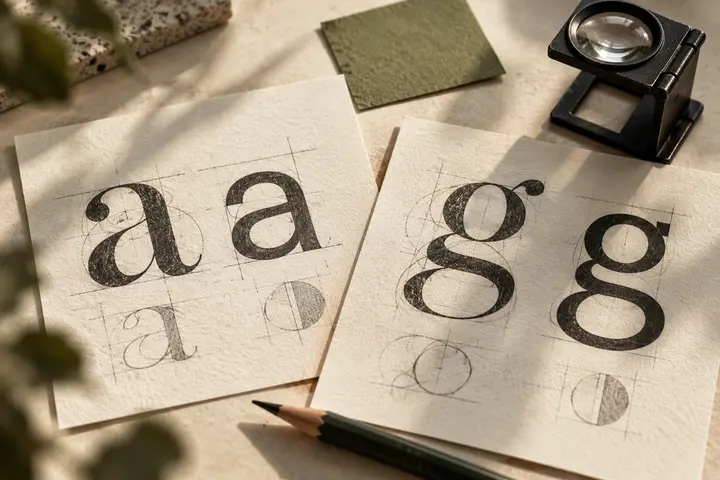
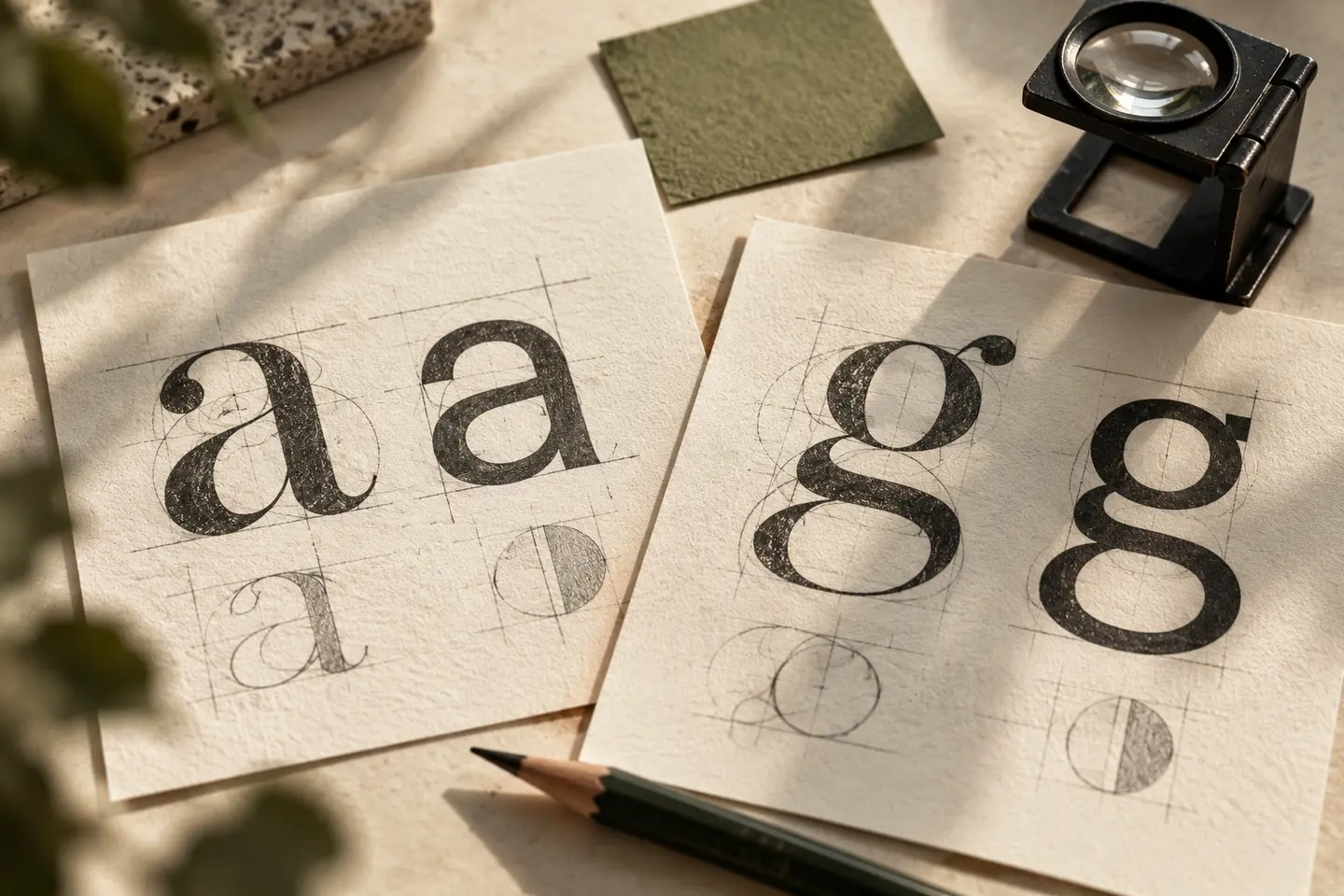
An atelier may be known through one person without requiring a handwritten identity. If a personal name appears beside an independent atelier name, decide which is dominant. A hypothetical brand could reserve the designer credit for a bespoke collection. That creates a main logo, a credited arrangement and a collection line. Check which are actually explored in the quotation. Changing that hierarchy after approval is different from requesting a minor colour adjustment.
Specify documents around the fitting workflow
Appointment cards, measurement folder covers, fitting note pages and handover cards are different needs. A designer can establish their visual arrangement without automatically writing service terms or specialist client explanations. Request editable templates where staff need to update fields, and state the intended software. One cover example differs from designing the complete client document set. Sample wording can be used to assess the layouts without supplying real personal information for the purchasing exercise.
Separate foil appearance from physical production
Metallic or embossed effects in a presentation do not purchase tooling or printing. If those applications are needed, obtain the producer’s artwork expectations. Also assess a plain single colour version so the material effect does not obscure the design decision. Graphic preparation, physical sampling and a production run are separate charges. The business and supplier choose the materials; the quotation should describe the designer’s support for those choices rather than leave it open ended.
Collection communications require their own allowance
Photography, show invitations, collection books and social graphics do not automatically belong in the initial logo package. An appointment led atelier may first need a presentation cover and customer communication template. Larger shoots and publications can receive another quotation. State who supplies images and copy, and count the pages required. Showing a collection cover does not establish that the whole book is included. The written delivery list should explain what the buyer will receive.
Balance garment, screen and window acceptance
Review a compact garment cover mark, the appointment screen name and the larger window arrangement together. They should feel related without forcing one unchanged file into every setting. If measured production artwork is included, count the surfaces covered. Ask how another shop, a new designer credit or another product collection would expand the order. Handover explanations and file organisation should support everyday use, with concrete service boundaries instead of an ambiguous promise of unlimited future adaptations.
Key takeaways
- Resolve the relationship between personal and atelier names before quoting.
- Describe fitting documents through their use and required file format.
- Evaluate foil visuals separately from physical printing expenditure.
Frequently asked questions
Does bridalwear require a signature logo?
No. Naming arrangements should suit the identity and its applications. If an original handwriting treatment is wanted, define that development and its deliverables explicitly.
Are garment covers included in the logo fee?
Their design can be included when listed. Physical manufacture, printing or embroidery on the covers require separate consideration within the purchasing scope.
Who prepares the wording for fitting forms?
The atelier supplies its approved content. Copywriting or specialist review, if requested, should be discussed as another service rather than inferred from layout design.